Tag: Claire Williams

  • F1 2020: Italian Gp Review – 100% Full Gas

    F1 2020: Italian Gp Review – 100% Full Gas

    At the midpoint of the 2019 season Red Bull announced that Alex Albon would replace Pierre Gasly with immediate effect. It didn’t come as much of a surprise given Gasly’s less than impressive run in the Red Bull team. But what has been most impressive about this story is the manner in which Pierre Gasly responded to being thrown out of the senior Red Bull team.

    There are likely dozens of points that could be elaborated on when it comes to the last eighteen months of Pierre Gasly’s life. But what is most important and most impressive is the revelation of his incredible character and how risen to the very top of Formula 1. In dramatic fashion the 24-year-old Frenchman became the 109th grand prix winner on unforgettable day.

    The race started as normal with Lewis Hamilton leading away from pole position. Carlos Sainz, who qualified an impressive third, made short work of Valtteri Bottas to run second to Hamilton but was unable to hang on to the rear of the Mercedes. Lando Norris roared off the starting line from his sixth place grid slot and scythed past Bottas to run third behind his McLaren teammate for much of the opening stint of the race. Bottas’s dismal start left him in sixth overall and unable to even get close enough to the Renault of Daniel Ricciardo to affect a pass. It’s clear that Bottas has some big questions to ask himself after this race. Whether he will find the answers though seems doubtful.

    2020 Italian GPAt the front the race settled relatively quickly with Hamilton easily extending his advantage over Sainz by roughly half a second each lap. After failing to get either car in the top ten shootout in qualifying it hardly seemed possible that Ferrari’s weekend could get any worse. But it did. Sebastian Vettel became the first retirement of the race with brake failure on lap 17. By lap 20 Hamilton had built a gap of around thirteen seconds when Kevin Magnussen pulled out of the race at the exit of Parabolica with a suspected engine issue.

    The Haas’s proximity prompted the deployment of the safety car and seemingly presented Hamilton with a perfect opportunity for a cheap pitstop. Alfa Romeo’s Antonio Giovinazzi seized the same opportunity as Hamilton but both failed to notice that the pitlane was closed to facilitate the recovery of Magnussen’s stricken Haas. Meanwhile all the other drivers stayed out and only made their stops once the pitlane was reopened. The race resumed a few laps later with Hamilton still in the lead but with Sainz now down in P8.

    A hefty crash into the Parabolica barriers for Charles Leclerc not only brought an end to the Ferrari driver’s race but also necessitated a red flag in order for the car to be recovered and the tyre barrier to be mended. Hamilton and Giovinazzi’s illegal trip into the pitlane netted each of them a ten-second stop/go penalty. After a twenty-five minute delay the race was restarted with Hamilton still leading but yet to serve his penalty. Through pitting just before the Magnussen-safety car Gasly and Kimi Raikkonen found themselves at the sharp-end. The decision to put Raikkonen on the soft tyre for the remainder of the race did not pay dividends as the Finn ran out of the rubber and eventually finished thirteenth.

    With Hamilton serving his penalty and emerging in last place it left Gasly in the lead while Raikkonen was quickly swallowed up by the pack. In P2 was Carlos Sainz and the McLaren had a better pace than the Alpha Tauri. But Gasly had crucially built a bit of a buffer while Sainz was making his way to second place. Meanwhile Lance Stroll was fairly secure in third while Norris, in fourth, held off Bottas in fifth. In sixth was Daniel Ricciardo with Lewis Hamilton recovering to seventh overall. Esteban Ocon, Daniil Kvyat, and Sergio Perez rounded out the points paying positions.

    2020 Italian GPThough he came agonizingly close Williams’s Nicholas Latifi ultimately finished eleventh overall. It was a monumental day for F1 as earlier in the week it was announced that the Williams family would be stepping aside from the team after its sale to Doritol investment. Despite being asked to remain as team principal Claire Williams declared her decision to leave the team. Though the team will continue to run under the Williams name it is an end to an unforgettable era of the sport. As the last of the independent teams Williams reached epic heights of a staggering sixteen championship titles, 114 victories, and 312 podiums. And even during their lowest moments they never lost the ethos of what made the team great – never, ever giving up. Through Williams Racings’ 43 years Sir Frank and Claire has written an indelible part of Formula 1’s history. The sport will be irrevocably poorer without them.

    As a new era dawns for Williams so does it for Pierre Gasly too. In his return to then Toro Rosso he showed incredible mental strength and gave us all a glimpse of his steely character. And again in Italy we were let into something a bit special as he delivered, under significant pressure, a stunning drive to the chequered flag and the first win of his F1 career.

    It may not have been the race that Mercedes, Red Bull, or Ferrari fans would’ve wanted. But many are likely to agree that days like these reaffirm why Formula 1 is greatest sport in the world. Grandé Pierre!

    All images courtesy of Pirelli Motorsport
  • F1 2020: Austria Gp Preview – It’s A GO….Finally

    F1 2020: Austria Gp Preview – It’s A GO….Finally

    It is finally here. After months of no on-track action to speak off this weekend the 2020 Formula 1 season will finally kick-off.

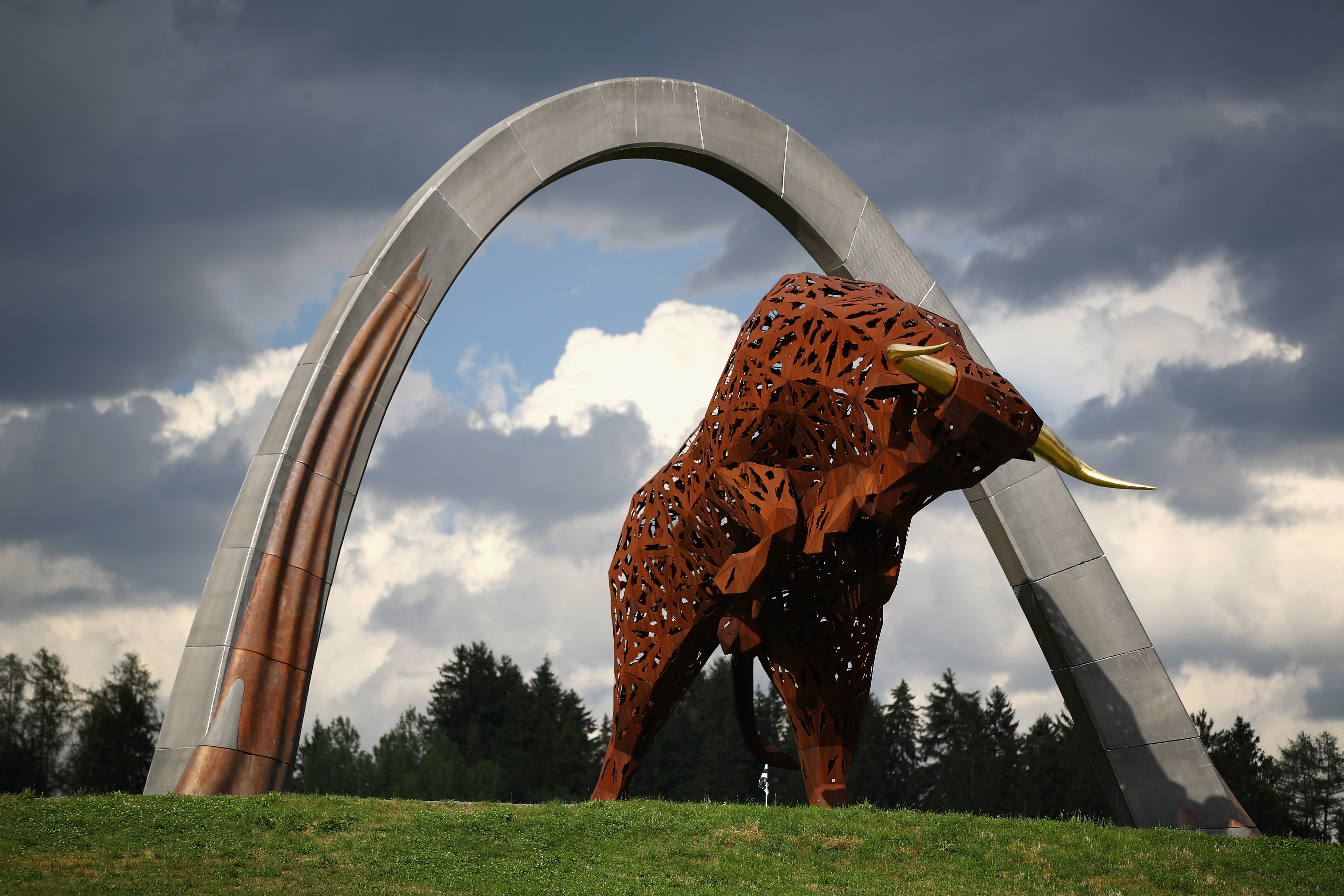
    The season-opener will run around the picture-perfect Red Bull Ring situated at the foothills of the Styrian Mountains. It’s been more than half a year and an awfully long dry spell for all involved but the Austrian grand prix may make the wait more than worth it.

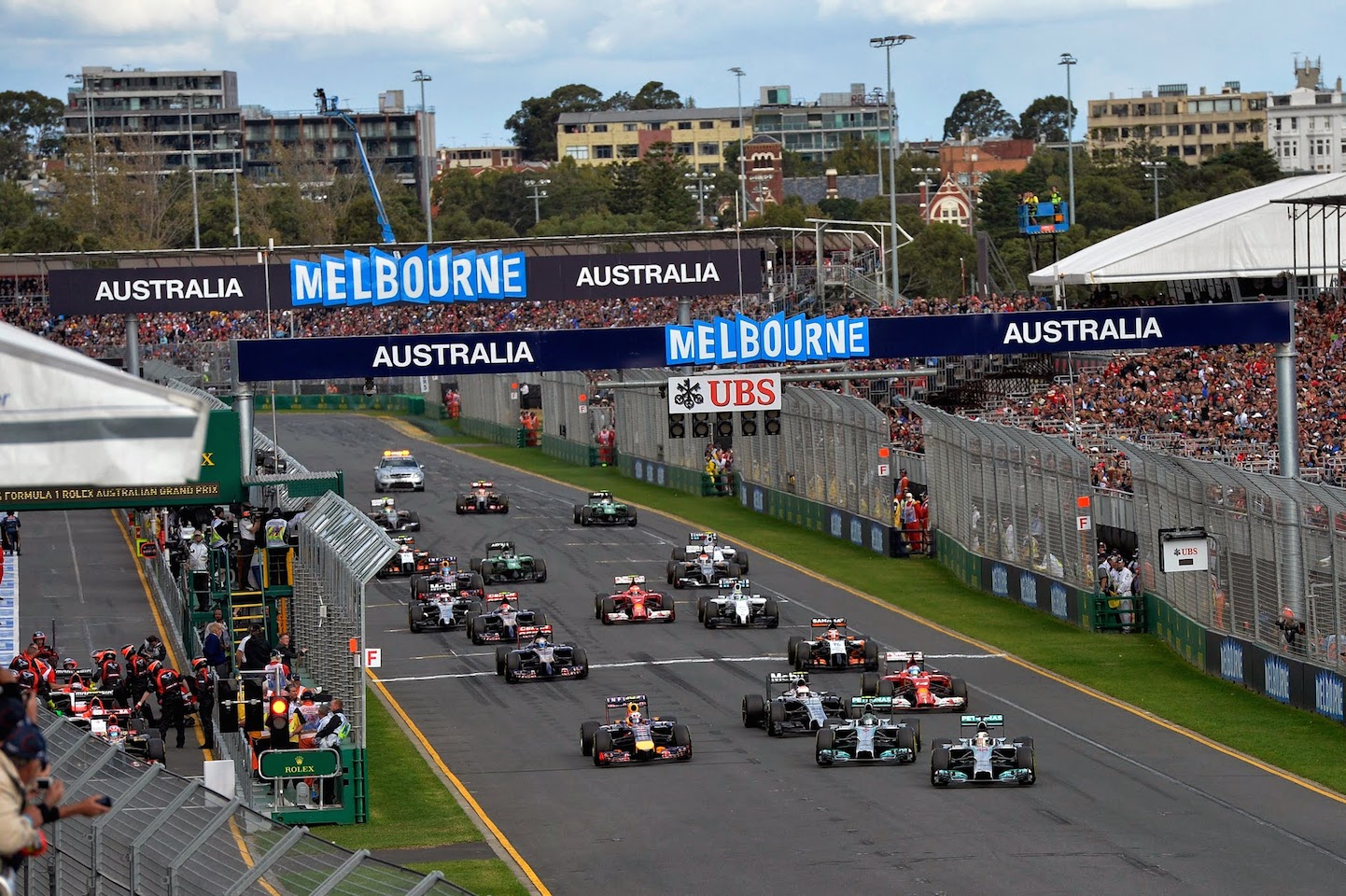
    At the outset every new season there are unknowns. Pre-season testing may have provided a rudimentary pecking order but the Red Bull Ring is a far different prospect than the traditional first race of the season around Australia’s Albert Park circuit. Instead of the unique semi-permanent street circuit F1 2020 will start on an Austrian circuit dominated by straights and heavy braking.

    Though the teams all observed a compulsory shutdown period work on improving their cars has been progressing. Mercedes and Ferrari are guaranteed to bring a raft of upgrades to their cars. The number of parts may vary in comparison to the bigger teams but all teams are likely to run updated packages this weekend. Ferrari are supposedly bringing only ‘minor’ upgrades to their car. But it is believed that a new smaller and narrower nose configuration will also be introduced. Reports also suggest that Ferrari are readying an engine upgrade that is rumoured to be worth 20 to 30 BHP which could prove valuable on a circuit dominated by straights.

    At Mercedes Technical chief James Allison confirmed that the team has made “significant progress” on the 2020 car and will bring a “chunk” of upgrades to Austria. It might mean that Mercedes will maintain the pre-season favourites tag. But Austria hasn’t been overly kind to Mercedes in the last few years. For one, the traditionally sky-high temperatures have severely affected the Merc on several occasions. However, as it stands the weather is forecast to be in the low twenties with 60% chances of showers on Sunday.

    2020 Barcelona February testing IThe more than three month delay to racing, caused by the coronavirus pandemic, ensures that the 2020 F1 season will long being remembered as one of the most unusual. In addition to the conjecture around Ferrari’s pace and Mercedes’s ability to preserve their dominance Red Bull too enter into the equation. It’s been seven years since they last won a title and the biggest question around the Austrian-owned team is whether or not a sustained challenge can be mounted for the championship. The opening rounds of this season, which include the double-header in Austria and a third round in Hungary, are circuit tailor-made to the characteristics of the Red Bull car. It is as good a chance as they’ve ever had to assert themselves in the championship fight.

    In the midfield too there is great sense of anticipation. Can McLaren maintain their position as best-of-the-rest? They have momentum on their side but team’s financial difficulties add an extra layer of pressure to maximise every point-scoring opportunity. Was the pace shown by Racing Point in pre-season testing legitimate and can they keep their eye on the ball despite the team’s imminent re-branding as Aston Martin? Dubbed the ‘pink Mercedes’ due to its overwhelming similarity to the 2019 Merc the Racing Point team made a big statement in testing. It’s now though that they’ll need to prove that their pace is legitimate. Will Renault, undoubtedly under pressure from France, move forward? For a works team Renault has been languishing further down the field than it should be and must begin to show progress up the grid if it is justify its participation in the sport. Has Williams produced a car capable of scoring points? There were signs early on that the 2020 Williams was at least better than its predecessor. However, the 2019 car didn’t exactly set a high bar. The team seemed cautiously optimistic that it is moving in the right direction.

    The 2019 Austrian grand prix, which culminated in a last gasp win for Max Verstappen, was easily one of the best races of the season. If the 2020 Austrian grand prix has even the slightest resemblance to it then we’re in for a cracker.

  • F1 2020:  Formula 1 Feeling the Squeeze

    F1 2020:  Formula 1 Feeling the Squeeze

    Formula 1 may be the premier racing series in the world with an enormous yearly turnover but this unprecedented crisis has exposed how financially vulnerable it really is.

    The opening nine races of 2020 have either been postponed or cancelled and several teams have implemented cost-cutting measures to ensure their survival. While the world continues to grapple with the crisis there is no guarantee of when, or even if, the F1 season is likely to start.

    As a consequence concerns have begun to mount over whether all teams will survive. Though big teams such as Ferrari and Mercedes can weather the storm it is those down the grid that are scrambling to ensure their survival. While there may be no racing the team still have significant overheads to manage.

    As one of the only true independent teams left on the grid Williams is such a team.  Deputy team principal Claire Williams has said that it is absolutely critical for Williams to race in 2020 in order to ensure their presence in Formula 1. “We don’t have the backing that the majority of our competitors have up and down the grid…going racing is absolutely critical this year,” Williams said. She stressed that F1 should only go racing however if it safe to do so. Williams have already secured a fifty million pound loan through a company owned by Michael Latifi, Nicholas Latifi’s father.

    Liberty Media, the sport’s commercial rights holders, has given teams a shot in the arm by providing early payment of under the profit-sharing agreement. In 2019 Formula 1 pulled in 4.2 million fans, which emphasizes the sports dependence on getting some type of calendar together for 2020. Liberty Media is believed to working on several possibilities. While one of those possibilities is the cancellation of the season it will only be considered as a last resort. Other plans include back-to-back race weekends, a truncated calendar of ten races, racing at other venues such as Imola, and having multiple races at the same track.

    Sir Frank WilliamsThis crisis has once again exposed the weaknesses in Formula 1’s financial model. While top teams, read Ferrari, receive guaranteed funds those further down the field depend heavily on a portion of the profits. For years, perhaps even decades, the disproportionality of funds in Formula 1 has had to big an impact on the final product. For too long teams with nearly unlimited budgets have held the advantage while others fight tooth and nail to ensure two cars make it to the grid.

    Several teams, including McLaren, have called for the incoming budget cap to pushed down to 100 million dollars. Currently, the agreed upon cap sits at 175 million dollars. This suggestion has been met by outright refusal by Ferrari. The Maranello based team has gone as far as threatening to quit the sport should the budget cap be lowered. This isn’t a new tune from Ferrari who has threatened to walk away on several previous occasions. The reality is that the sport simply isn’t financially sustainable in its current guise. While the governing bodies could choose to appease Ferrari in order to keep the famous mark on the grid they could lose two or three teams from the grid. This, Ross Brawn has said, would be catastrophic for the sport.

    The sporting world is wrestling with a significant crisis that everyone wishes never materialized. Nonetheless, it is a good opportunity for Formula 1 to overhaul their financial model and to ensure the future of the sport for once and for all.

  • F1 2020: Breaking News – F1 Calls Off Season-Opener

    F1 2020: Breaking News – F1 Calls Off Season-Opener

    Formula 1 has announced that it is calling off the opening round of the 2020 season.

    The first race of the new F1 season was scheduled to take place around Australia’s Albert Park circuit this weekend. Despite fears of the coronavirus pandemic F1 surged ahead with plans to kick of its season of racing while several other major sporting codes have called a halt to activities.

    Earlier on Thursday afternoon the McLaren team released a statement detailing their withdrawal from the race weekend due to a positive coronavirus test by a team member.

    Towards midnight on Thursday all team principals were huddled in a meeting to discuss the way forward. By three am Australian time no decision had been made despite several rumours running rampant that the season-opener was to be postponed. Fans and journalists alike waited seemingly in vain for an official update from the power that be but nothing was forthcoming. It wasn’t until several hours later than an announcement was made that a majority of the teams had decided against racing this weekend.

    “We appreciate this is very disappointing news for the thousands of fans due to attend the race” the official statement read. “All parties took into consideration the huge efforts of the AGPC [Australian Grand Prix Corporation], Motorsport Australia, staff and volunteers to stage the opening round of the 2020 FIA Formula One World Championship in Melbourne, however concluded that the safety of all members of the Formula 1 family and the wider community, as well as the fairness of the competition take priority”.

    Though there are several aspects that needed to have been considered the amount of time that was taken before an official announcement was forthcoming has not endeared F1 to the racing community of its fans.

    While Bahrain has already announced a race ‘behind closed doors’ it is difficult to imagine that it can go ahead. Similarly, the threat that Vietnam could soon be added to the postponement list, along with Australia and China, remains very real. The best-case scenario for F1 2020 is a season-opening race in Zandvoort. But even this remains up in the air.

  • F1 2020: Testing Diary – Week Two

    F1 2020: Testing Diary – Week Two

    The two pre-season tests at Spain’s circuit de Barcelona Catalunya has concluded and true to Formula 1 form has produced more questions than answers.

    Mercedes reliability

    The first pre-season test was highlighted by an incredible run of reliability as drivers pounded around the Catalunya circuit for hundreds of laps without breaking down. But the second week of testing brought with it a number of mechanical breakdowns.

    An on-track stoppage for Vettel in the second week slightly curtailed his running. However, it was later found to be a minor problem that was easily mended. Ferrari was able to re-install the repaired engine that ran issue-free.  It wasn’t quite the same for Mercedes. While the works Mercedes team have emerged with what many believe to be the quickest car on the grid there are some questions over the reliability of the engine.

    In the six days of testing Mercedes were forced to run three engines after suffering failures. Williams, powered by Merc, also ran three engines with deputy team principal Claire Williams confirming that the breakdowns were all different in nature.

    Mercedes don’t think it’s a major concern but it is a potential chink in the armour ahead of the 2020 season. “It’s just not quite where we want it to be reliability wise,” said Lewis Hamilton. “But I am sure they are back at the factory now working hard to rectify whatever the issue is.”

    2020 Barcelona February testing IIMidfield

    After a strong start to testing Racing Point is not ruling out the possibility of challenging Ferrari and the new car even has Sergio Perez proclaiming it the best car he’s ever driven in his career. For the rest of the of the midfield teams, outside the Big Three, it’s a question of wait and see.

    For now long run pace and relative performance in Spain suggest a close contest in the midfield. Haas F1 team principal Guenther Steiner saying that there is no one of knowing the true pecking order. “We may be at the front [of the midfield] or at the back. We don’t know,” said Steiner.

    While McLaren appears to be in a fight with Renault they are wary of Alpha Tauri (formerly Toro Rosso) who in turn are keeping a close eye on Haas and Alfa Romeo. It’s clear too that Williams have made significant strides forward in comparison to 2019 but just how much progress is still unknown. “Certainly the one of the biggest differences is the build quality as has changed dramatically from this time last year,” said deputy team principal Claire Williams. “That’s been really great to see, bringing a car that’s in really good shape, that comes out the box to a very high standard of which we should be proud at Williams.”

    Pecking order

    Pre-season testing is hardly definitive but it’s safe to say that barring unreliability Mercedes appears to have delivered a quick car. Ferrari’s openness on being behind both Merc and Red Bull and looking over their shoulder to Racing Point is a bit suspicious. It may just be their way of not heading to Australia as the center of attention and with the expectation of winning, as they did in 2019. Or it may well be true. Ferrari may be truly wary of Racing Point. In that is the beauty of a new Formula 1 season. As important as pre-season testing is there is no way of truly knowing what the pecking order will be. But all will be revealed when they roll out for qualifying in Australia.

    All images courtesy of Pirelli Motorsport
  • 2019 Formula 1 Hungarian Grand Prix: Friday Press Conference

    2019 Formula 1 Hungarian Grand Prix: Friday Press Conference

    TEAM REPRESENTATIVES – Andreas SEIDL (McLaren), Christian HORNER (Red Bull), Mattia BINOTTO (Ferrari), Claire WILLIAMS (Williams), Beat ZEHNDER (Alfa Romeo)


    PRESS CONFERENCE


    Q: Christian, Max Verstappen is the man of the moment, having won two of the last three races. Can you just give us your thoughts on his current level of performance? Have you worked with a better driver? And how tough is it for any team-mate to match him?

    Christian HORNER: I think Max, not just in the last three races but during the course of the whole of this seasons, indeed pretty much Montreal last year, he’s been driving incredibly well at a very high standard. It’s certainly started to come together over the last few races. The win in Austria was a watershed moment, we were competitive at Silverstone, and obviously the race, the excitement of last weekend was a phenomenal performance by him, to keep his head, to have the pace in all varying conditions, and come out on top and win the grand prix. So, yeah, he’s in great form and you know, hopefully we can continue that form into the summer break and out of the other side as well. He’s certainly delivering at an extremely high level.

    Q: How tough for any team-mate to match him?

    CH: I think very tough. If you go up against Verstappen at the moment, for me arguably he is the most in-form driver on the grid. That’s an enormous barometer for any driver to go up and be measured against. As a competitor you always want to measure yourself against the best that you can. So, he’s a benchmark that obviously Pierre is measuring himself against.

    Q: Mattia, if we could come onto you please. Rollercoaster weekend for the team at Hockenheim – the disappointment of qualifying and then the brilliant comeback drive by Sebastian. How do you begin to analyse a weekend like that?

    Mattia BINOTTO: I think, as you said, the disappointment at first. I think we knew that we’d got a good car at Hockenheim, we’d been fast on Friday, Saturday and in the race itself. We didn’t score the pole but we believed that we’d got the potential for it. And certainly when you’re starting a race on the front row or the back of the grid, it’s two different scenarios. Again disappointment, because it’s more the empty glass. I think it’s really a missed opportunity again for us, to have a victory in Hockenheim. And I think as a team it’s where we need to focus: first of witnesses of what was wrong during the weekend. On the other side, I think still positive feedback, and we should not forget about them. I think we got, as I said, a competitive car whatever the conditions from hot conditions on Friday or cooler temperatures on Sunday, even the wet, so I think a lot of positives, the strategy of the team, the way we managed strategy, the pit stops during the race, race situations. And the team somehow kept focused after the disappointment of Saturday, and somehow were prepared for a good race. And a good race for Seb. No doubt. We are all pleased for him. I think it was important for him to have such, let me say, a race in Germany with a hometown and the crowd there. So, all pleased by that but I think overall we keep the disappointment of the weekend.

    Q: Claire, you scored a point at Hockenheim, pending the appeal by Alfa Romeo. Your team has scored 3561 points in its history – but what did this point mean to you? Was it just reward for all the hard work?

    Claire WILLIAMS: I think the point Tom, that you made about the number of points that Williams has scored in our history. I think for us to get excited about one point would probably be slightly erroneous. Everybody at Williams has been working so hard this year, it has been another brutal season for us, so I suppose to get any kind of reward, we should take and we should accept gladly – but as you say, Alfa have submitted their appeal against that so I think we’re going to have to wait and see – but one point for me, I think, as a Williams, I can’t personally be happy with that and I don’t think anyone in our team is necessarily ecstatic about it.

    Q: Let’s move on to Beat and talk about that appeal. You’ve lodged the appeal after the race. Can you tell us what you’ve done that?

    Beat ZEHNDER: We’ve been penalised after the race and we went for appeal, which is the normal procedure if you want to fight, and you think you have some arguments to win – otherwise you wouldn’t do it.

    Q: What were the mitigating circumstances? Why have you lodged that appeal?

    BZ: It’s an ongoing process and I cannot give you any information. Everything will be disclosed on the 24th of September when the hearing will take place in Paris.

    Q: OK, let’s cast the net a bit wider then. You’ve now been at Sauber for 32 years – the team in all its different guises. What’s your assessment of the path that Alfa is now on? Do you feel more comfortable than you’ve been for several years?

    BZ: Of course, we’re in a better situation, especially on the financial side. We’ve gone through very difficult times in 2014, 2015, 2016; we’ve been close to shutting down the company. And I think this is, with Alfa Romeo and with the new ownership, we’re in a much better situation and I think the big achievement of the team is that we’re still around.

    Q: Andreas, it’s been an impressive season for McLaren. You’re now 31 points ahead of Renault. Does the size of that gap surprise you in any way?

    Andreas SEIDL: It’s obviously good that we have all these points in the pocket with not necessarily having the fourth fastest car for all the races, so that’s good but at the same time it’s not something we get carried away with. We have seen, for example at the last race, you just need one crazy race where Hülkenberg, for example is scoring P2 and we have no points and we would have a different discussion today. It’s important for us to keep our heads down, to just keep pushing, to bring more and more updates on the track, and keep this positive journey up. But, of course, it’s nice to be in this P4 at the moment and we try to fight for that until the end of the season.

    Q: Tell us more about this positive journey, because last time you were here you said you’d arrived at a team on the rise. Just how far can you go? Can you challenge Red Bull?

    AS: The reality is that we’re still getting lapped. If there’s a normal race. So there’s still a lot of hard work in front of us. But, as I said before, it’s important that we keep progressing as a team together with our drivers. It’s good to see that the updates are working and hopefully we can make the next step with our car, also for next year. This is really what my focus is on. There’s no magic, as we know, in Formula 1. It’s down to hard work, to stay focused, and this is what I try, together with the team.


    QUESTIONS FROM THE FLOOR


    Q: (Luke Smith – crash.net) Question for Christian. Tom touched on Max’s incredible recent form – I think he’s been in the top five for all the last 20 races. He really appears to have hit the potential that we saw in the early part of his career. What changed with Max to cause this form recently? You said Montreal last year. Was it that rough start to last season? How important was that to him do you think?

    CH: I think that Max is obviously still a young guy, he’s only 21 years of age – but he’s now in his fifth season of grand prix racing and he’s now got the benefit of experience under his belt as well. His speed, his race craft, has never really been in any doubt but he’s got that collection of knowledge and experience now. I think, you know, obviously last year, the beginning of the year was a little challenging for him with some missed opportunities. I think he reflected on that and really turned the corner from Montreal last year. That run of performances really since then has been phenomenal. I think he’s continuing to evolve. I think that this year he really has stepped up as well as the senior driver, and he’s performing at a very level – and that in turn pushes the team very hard as well. I think with the new relationship with Honda, he’s enjoying that working environment, that working relationship as well. And so, there’s certainly a very positive vibe around him at the moment.

    Q: (Scott Mitchell – Autosport) To all five please. The talk about expanding the calendar. If we go up to 22 races do you think we would need to increase the number of engines and engine components you are allowed to use over the course of the season? Would that be one of the defining factors? And what does that do for the costs involved. Obviously F1 wants to bring down the cost, but adding more races, using more engines is expensive. Your thoughts on that please?

    AS: Yeah, in principle we support the direction of going for 22 races next year. There’s a discussion ongoing at the moment about what that means actually in terms of the number of components to be used and also the costs for a team like us, so that’s still ongoing. I think if you look at the bigger picture for us, it’s simply important now also to be a bit careful not to increase the number of races even further – for two reasons really. First of all, I think we really need to look after our people and make sure that we don’t ask for too much there, because I think if we go now for the next step of even more races we definitely have to change some things inside our organisations, for all teams. And then, yeah, that’s pretty much it. The second point of course we understand the commercial point of view but I think it‘s also important that we keep this exclusivity for each of the events, which doesn’t necessarily get better by adding more and more races.

    CH: The commercial rights holder has come to us to say, you know, that 22 races is a possibility for next year and would we support it. I think in principle, yes, is the answer, but it has to be combined with what other activities are going on in terms of: do we need to do as much in-season testing as we currently do; do we need to do as much pre-season testing? And I think if we are to introduce a 22nd race the majority of teams are taking penalties and using four engines anyway, so one would assume that it would make sense to increase the allocation on power units and components and perhaps if we look at the ratio and say ‘well, OK, rather than using engines for going testing and if we reduce the in-season testing and pre-season testing slightly, if that frees up an engine that the majority of teams they’re going to use anyway. From the next race there is going to be a whole raft of penalties coming through, and we’re only just halfway through the season, so introducing another race on top of that and expecting teams to get through on three engines and three sets of components is a bit of a tall ask.

    MB: I think very similar to the first answers. We are supportive on a 22nd race if that means some more revenues but we need to certainly be careful on the costs, the extra costs. If you look as well at 2021 at the moment we are discussing for 24 races but no extra engines, no extra units, so I think it’s only a path to 2021, so increasing the number of units for next year would be simply wrong, because it would mean, yes, more revenues, but then more costs, which would make no sense overall and so it should be on the power unit manufacturer to try to do an effort which is in the direction of 2021 to afford an extra race with the components we’ve got.

    Q: Would you like to see a reduction in testing as well, like Christian?

    MB: I think it’s certainly something we need to discuss but it could be a great idea, yes.

    Q: OK. Claire?

    CW: Yeah, I would probably just echo what everybody else has said. I there is a lot more conversation to be had around it, particularly around the components. From a financial perspective, we need to just make sure that it’s going to work, that it cover all our costs, and we are at that point now where we’d say yes it would. But I think most importantly from our side it’s consideration of our team personnel. I think pretty much they are pushed to the limit at the moment with what we are asking them to do with 21 races and the tests on top of that and then the work they have to do in the factory in between. In our team we don’t necessarily have the luxury of rotating staff in and out, we are at capacity on head count. So it would be around looking into that and working out whether we need to bring in more people to support it. I think from our perspective again, I wouldn’t want to see a triple-header on the calendar. I think we have been assured that there wouldn’t be one. I think that broke a lot of people last year, but also from a logistical perspective that is just a nightmare; it’s a disaster. Going to Austria I think it was when we all took makeshift motorhomes, it doesn’t look great for the race but it’s just not good for anyone’s cost base either.

    Q: Beat?

    BZ: I see it more from an organizational point of view. I’m not too concerned about PU elements; I’m more concerned about team members. As a small team we’re at the limit with 21 races already. Any additional race will make it more difficult and we have to think about increasing the number of race team members and establishing a rotating system in a way.

    Q: (Phil Duncan – PA) Christian, have Mercedes approached Red Bull about Max’s availability and would it be a good thing, do you think, for the sport to have Lewis and Max together in the same car?

    CH: Toto has certainly not spoken to me about it. He speaks to almost every driver on the grid, so I would think if he has had a conversation it’s been direct not through the team. The situation with Max is clear and as with other drivers there are always trigger points. But in terms of having those two in one team, I haven’t heard from Lewis either that he wants to join next year. You can see positives and negative in that. I think that ideally we want to see teams going head to head and the drivers are obviously very much part of that team. It would be great to see Ferrari with their drivers, Red Bull with our drivers and Mercedes with their drivers all fighting it out, and whoever else can get up there as well. It doesn’t necessarily mean that two drivers have to be in the same team.

    Q: (Andrew Benson – BBC Sport) For everybody, on the 2021 rules. How concerning is it that less than three months to go before the deadline you are still discussing major, fundamental issues like refueling and how heavy the cars are? How has it ended that way, with such a short amount of time left, and what are the risks of the F1 rules, as intended, not actually happening as a result?

    MB: How much concerning it is? I think certainly there is very little time now from until the end of October and certainly there is quite a long list of open items, open subjects. But more important, I think, is that the discussions ongoing. I think it would be a lot worse if no discussion would take place and somebody is deciding for everybody. So the fact that we have go discussion is certainly what’s positive and it’s in our hands to make sure that we properly collaborate with F1 and the FIA and the teams to address the main points for 2021. And as I often indicated I think, we have certainly got common goals and common objectives for 2021 – sustainability is a key factor – but I think we need as well to pay attention not to overreact in terms of technical, because do we need a better show? I think if you look at the last races, certainly we may still have a good show in certain conditions, but certainly these conditions need to be identified and pursued, so I think changing the car, changing the technical means, spending, re-engineering, proof of concepts, so whatever we may choose, we need to choose it because we are fully all convinced that it is going in the right direction. But yeah, there is very little time and it’s a lot to discuss, but good that we are still discussing.

    CH: Well, I pushed very hard to get the rule process to be moved from end of June to what’s now the end of October because I think if we would have had regulations just introduced we would have been in a real mess. So I think the key thing now is how we use that time during the next three months to ensure that the regulations that we do end up with on October 31, as Mattia says, that we focus on the right things. There is a series of collective meetings that between now and the decision point where we really need to get into the detail of what is the objective of the change and does the change of regulation achieve those objectives, from a show point of view, from a cost point of view. I think we really have to drill into detail over the next few meetings to ensure that with what is presented on October 31 there is a sensible theme to.

    AS: From our point of view we see it clearly it different. I think it’s about time now to simply stop discussing. We all have downloaded our input. We do this since two years, all teams. I think FIA, Formula 1 has a clear idea of what they want to put in place, they presented that also to you guys two weeks ago. We simply want to see action now and we can move on.

    CW: Not a whole lot to add. I think everybody has said it already. The regulations were delayed a little bit but I don’t think they were in the right place in order to sign them off anyway back in June. It gives us a bit more time to debate. I suppose my bigger concern is not that we won’t get it done it’s more about what’s going to change between June and October. We had some foundation principles in place and we fundamentally agreed with those at Williams and I’d like to see those stuck to as best as possible between now and then, but I think it’s par for the course this process in Formula 1 and we have to have those regs signed in October, whatever they will be, so we’ve got to do a good enough job between now and then to make sure they are the best they can be.

    BZ: There is a lot of work to do in all the several working groups. What slows down the process is probably is that there are new elements coming on the table every now and then, like refueling. Six months no one talked about refuelling and we have to consider it carefully. There was a reason we stopped refuelling in 2009. It was not only for financial reasons. It was not good for the sport. Before we talk about re-introducing we should carefully assess whether it is good for the show and good for the sport.

    Q: (Alan Baldwin – Reuters) I wonder if I could get an update maybe from Mattia and Christian about the unsafe release situation. Has there been an assurance from the FIA as to how they are going to handle this in the future? Obviously, Mattia, your team was fined rather than being handed a time penalty at Hockenheim.

    MB: Several races are difficult situations, difficult situations to judge, difficult situations to act on. During the weekend at Hockenheim, I think that the drivers met with the FIA on the Thursday and discussed the approach. What was key was certainly to be safe respective to the mechanics in the pit lane which was a key factor and for example, in the case of Charles, the Red Bull team was ready for a pit stop and was just in front of him and I think the way that somehow Charles drove was very safe in respect of the mechanics and the pit crew. Yes, he had to slow down to be careful with the cars coming in but that’s a racing situation and I think that as a team, when you’ve got such traffic, again, I think what is key is safety first and then in a racing situation where we have been fined, I don’t think there will be a much different situation or different judgement in the future. I think the way it has been judged was the proper one.

    CH: I slightly crapped myself when I saw Romain Grosjean heading for me at the pit wall. From my point of view it looked really unsafe, pretty frightening prospect that. Yeah, it’s a tricky one isn’t it? Max got a penalty in Monaco for what was an unfair release and it was deemed that it was because he touched the car of Bottas. It’s a tricky one, they are slightly different incidents but I think that what you want to see more than anything is an element of consistency because otherwise, from a team point of view, from the guy that’s releasing the car, what call does he make when he’s making that release now? It’s a difficult one. Where there are pit lanes like in Silverstone, we actually had a good scenario where the two cars were released and there was enough room for them to go side-by-side down the pit lane.

    Q: (Viktor Adorján – GP-Hírek) Going back to the topic of logistics, there was a road accident involving one of the Renault trucks earlier this week, coming from Hockenheim. Can you please tell us facts and figures about the level and volume of equipment that you brought here and what kind of security measures do you take in order to ensure that this precious equipment actually arrives safe and sound to European locations?

    BZ: Obviously, as a team you are well prepared for back-to-backs and all the other European races you normally have external truck drivers, or truck drivers, team truck drivers who have rested on the Sunday and only drive when they’re supposed to. You don’t have team members like twenty years ago who worked the whole day and then in the evening jumped in the truck and then drove to the next event, so everything is safe and sound and accidents like this can happen. I think we’re moving more than 400 lorries from one event to the next and considering that, there are not a lot of accidents happening.

    CW: First, I don’t have an update from the driver that was driving that truck and I hope that he’s alright. Thank you. I don’t know, necessarily, I apologise for it, I don’t necessarily know the tonnage of equipment that we send between back-to-back races – I know it’s an awful lot, there are an awful lot of people involved in the logistics in our team and they do a fantastic job of it and as has been said, we do everything to comply to the regulations that are out there by how many hours the drivers can drive, they’re not working prior to them driving etc, so you do take the best approach that you can to avoid those situations. But sometimes those situations are unavoidable but in this case, I think we’re all just pleased that the driver was OK.

    MB: Not much to add. I think that Beat made the picture and the picture is very similar for all the teams. As he said, the drivers are not people that are working throughout the weekend, especially not at a back-to-back. Certainly we as team principals of teams are taking care of our people, making sure that what they are doing at the tracks or driving, we are always doing that in a safe manner with the proper way of applying things, let me say. But what happened is to be considered serious, no doubt, and whatever is happening, as a team, we have the responsibility to review what happened and there is a necessity to try eventually to improve. I don’t have the details in that case but as Ferrari we would certainly consider if we can even do better in the future.

    CH: It’s a big challenge getting all the equipment, the cars, the engineering centre, in our case the Energy Station – I think we’re in excess of 40 trucks to get to an event and when you’ve got a back-to-back event, that’s an added pressure, that they’ve got to be here really by Tuesday, Tuesday afternoon so it’s another thing to take into consideration, with the logistics of an increased calendar is not putting too much tension on the movement of parts and people from one venue to another. Accidents do happen and I don’t know the details of the accident, thankfully the driver, from what I heard, was OK but it’s inevitable that, unfortunately accidents do happen and I think the most important things are you try and mitigate that as best you can and as others have said, with contract drivers it’s not like the old days when the truckies – well, the truckies don’t drive trucks any more. I don’t know why they’re still called truckies. In fact I think we’ve only got one truck driver who can drive a truck. Everybody has contractors that specifically are here just to move the vehicles around.

    AS: Yeah, nothing to add, really. Happy that the driver is OK on the Renault side and as mentioned, each team puts a lot of effort into making sure our people are well protected, get their sleeping times, resting times and so on and luckily, as Beat said at the beginning, with all the movements that are happening we can be lucky that not more is happening.

    Q: (Ian Parkes – New York Times) To the four people either side of Mattia: I was just wondering if I could get an appreciation please from you all of Mattia, his longevity in F1 and his handling so far of probably arguably the toughest job in motor sport?

    CH: How long have you been at Ferrari? Thirty-five years? Twenty-five. Crikey, you must have just left school and gone straight there. Well, look, running Ferrari obviously has pressure. I think Mattia has obviously been managing the technical side and team principal side of things but he’s great to work with… it’s strange talking about your competitor when he’s next to you but he seems to be doing OK so far.

    AS: Obviously I respect all of my colleagues here inside the paddock a lot. But I have my own dream job and that’s the focus on so not a lot to comment really. Colleague, good to talk to.

    CW: Did you say that Mattia has the hardest job in F1 at the moment? I thought that was me at the moment! Mattia goes to work for Ferrari. He probably gets a free… How many free Ferraris do you get, Mattia? Probably about ten in your driveway! No, all joking aside, I’ve only had the privilege of working with Mattia for a short amount of time in our strategy groups etc but I have all due respect for him and I hope that he stays with us for a long time. Obviously Ferrari have had a lot of chopping and changing with their TP so it would be great to have some stability.

    BZ: I’ve known Mattia for a very long time and appreciate him very much and his work. I think every team principal at Ferrari has a difficult job if they’re not winning races but as Claire said, every other team principal has a similar task and a difficult job, especially if you don’t have a competitive car or if you have financial difficulties so it’s not only the top shots, it’s the bottom end as well.

    Q: (Peter Farkas – Auto Motor) Mattia, before the start of this season, you pointed out that one of the things that was missing at Ferrari maybe in the last couple of years was having fun with the racing. Obviously, as the season has turned out, is it possible to have fun in this situation and to restore that fun, and if so, what are you going to do to restore it? Or if not, how can you manage the mood?

    MB: You’re right, I think having fun is important if you think of how many days we are here at the race tracks or back at the factory and how much time we are really spending for what we are doing, so having fun is important, it is something which we are trying to pursue. Not winning doesn’t make the task easier no doubt but I think having fun is a matter of team spirit as well, how the team is behaving together, with the drivers, with the engineers, the mechanics and if there is anything I can say is that I think we have got a great team spirit at the moment and that is that the people are happy to come to the race track for at least challenging the next race and we are all here to seek our victory which didn’t happen so far. I think there have been a few missed opportunities but I think again the fun is in the spirit and that can be done whatever the results.

    Q: (Dániel Horváth – The Paddock Magazine) Andreas, as you mentioned earlier, McLaren made a big step forward this year and you already have more points than last year. What course will you set for 2020?

    AS: The targets for 2020. I think it’s simply important to make the next step as a team, together with our drivers and also in terms of car performance. Next year will be first car under the full leadership of James Key compared to the previous cars; also I think we are somehow back to a more normal rhythm in terms of timing, when we started with the concept phase of the car, but again there’s no magic in Formula One. I hope we can fully make the next step but at the same time we shouldn’t get carried away and dream of challenging for race wins or stuff like that next year.

  • 2019 Monaco Grand Prix: Thursday Press Conference

    2019 Monaco Grand Prix: Thursday Press Conference

    TEAM REPRESENTATIVES – Claire WILLIAMS (Williams), Christian HORNER (Red Bull Racing), Cyril ABITEBOUL (Renault), Zak BROWN (McLaren), Andrew GREEN (Racing Point)

    Q: Following the passing of three-time Formula One World Champion Niki Lauda this week, we asked all of the drivers yesterday for their memories and thoughts of Niki. We’d like to start in the same fashion with you today please. Cyril, is we could start with you: your thoughts and memories of Niki?


    Cyril ABITEBOUL: It’s another sad news for the Formula One community. Frankly, I had not a lot of interaction with Niki, but clearly he was one of the role models that form our youth and the reason we are admiring Formula One – for the fantastic animal that you come across in life. He was a model of resilience. He was taking the fighting spirit very, very hard and impressive what he managed to do over his career. Any meeting with him was kind of fun. You never knew what could happen. He will be another person badly missed in Formula One.


    Christian?

    Christian HORNER: It’s a huge loss for Formula One – the whole paddock. Obviously for Mercedes where he was so active as well. I think it was a shock for everyone. Obviously he’s not been in great health for the last pretty much 12 months. He was an iconic person. What he achieved in the sport was phenomenal. Just the most remarkable story. You only have to watch the movie, which I think is a pretty decent representation of actually what happened and the fight back that he had, which obviously happened prior to my really understanding of who he was. When I really came across him, he was working as a commentator, quite an outspoken commentator at that time, and he managed to where all these hats, commentating for RTL, running the Mercedes team as their chairman. He was just a larger than life character, obviously as an Austrian, and us an Austrian team, he spent a lot of time with us, particularly Helmut Marko, a very close friend of his, as they pretty much had grown up together. We’ll certainly miss the breakfast where he would come, pretty much every morning and Helmut and he would be like the two old guys in the Muppet Show, Waldorf and Statler I think it was, and they’d basically be commenting on all aspects of life, none of what I’m going to repeat here, that’s for sure – but his openness, his sense of humour, his ability to say “how did you screw that up?” something “was rubbish” – or complement you when you’d done well. He was a great guy, a great personality and he’ll be very, very sadly missed.


    Claire, your thoughts?

    Clair WILLIAMS: I obviously had the pleasure of knowing Niki through our relationship with Mercedes. I can’t profess to knowing him extremely well but everything that he’s achieved in motorsport is extraordinary and, as Christian said, watching that film really demonstrates exactly the kind of character that he was. Latterly, working with him in the Strategy Group meetings, he was always the voice of reason. When Niki talked, people listened. Personally, we always had a bit of a joke about my single status. I think I probably wouldn’t have got married as quickly as I have if Niki wasn’t pressuring my husband into proposing – so that will always be a nice memory for me. The sport has lost an icon, hasn’t it. Our thoughts go out to his family.


    Zak?

    Zak BROWN: Yes, I echo what everyone has said before me. He was an absolute legend of the sport. A loss for all of us. Never met anyone who didn’t like Niki. He was a real likeable guy, a real racer, had a strong opinion and when you look at what he came back from , that’s a real inspiration. I think not many would have been as brave as he was – not only to come back, but to go on, win World Championships. He won his last World Championship with McLaren. So, a lot of people in our factory, Mansour Ojjeh, one of our owners, were was super-close to Niki, so it feels like we lost a member of our family and, of course, the whole racing community has. Just wish his family the best and just grateful to have the fond memories here in Formula One forever.


    Andy?

    Andrew GREEN: Unfortunately I never had the honour to work with Niki. He was the background to my youth when I was watching Formula One. He was a big part of it. Some very big images from back then, and part of why I got into the sport. What he did from then until now is just incredible. He’s a real icon and will be sorely missed.


    Q: We’ll now turn our focus to this current season. Christian, we’ll start with you. For Red Bull it’s been a consistent start to the year. Max Verstappen in the top four at every race and this is usually a race that you target victory at. After the way FP1 has gone, is that a realistic target for you again this weekend?

    CH: I think it’s been a strong start to the year after the engine change over the winter. I think we’ve been very consistent, we’ve had two podium positions, we’ve finished in fourth place every other grand prix. Obviously, having introduced some upgrades in Barcelona, you ought to try to optimise those and Monte Carlos has always represented a track that we’ve performed well at. We’ve had an encouraging first practice but I think having seen Mercedes’ performance, particularly in the slow speed sector of Barcelona, they are absolutely the stand-out favourites for this event, so if we can get anywhere near them, and put a little bit of pressure on that, that would certainly be our target going in to the weekend.


    Q: Cyril, you’ve got last year’s Monaco Grand Prix winner driving for you this season – but currently sitting eighth in the Constructors’ Championship. Were you expecting to be a little bit higher at this stage of the season?

    CA: Yeah, of course, I think you can even say that it’s not the season start that we wanted, that we were ambitioning working for and advertised. It takes clearly a reaction from all of us. In my opinion obviously there has been a collection of issues, not excuse, but issues over the first five races that do not reflect the ambition, the level of our drivers, the level of the team. So it’s up to us to react and come up with clear answers to the different issues. We hope to see those answers starting to kick off with this weekend. Indeed, we have last year’s grand prix winner. It just creates another obligation to come up with the best possible car at this point of our journey.


    Q: Claire, the start to the season probably not gone the way Williams would have envisaged either – but since the start of the year you’ve had better qualifying performance in Barcelona and then the test, working on some new ideas. Do you feel like there are shoots of recovery now? Are you starting that rebuilding process?

    CW: Yeah, you say it wasn’t the start to the season that we envisaged – but I think we anticipated what was coming. Yeah, I definitely feel that we can see some light at the end of the tunnel now and I think probably just from the time sheets and the last race in Barcelona, we demonstrated that we are closing that gap. It may be slow but we all know that it takes time to bring performance to your car. There’s definitely a lot of good work going on back at the factory that people may not necessarily be seeing yet. The aero team are doing a great job finding performance in the tunnel and we’re going to be bringing that to races over the coming weeks and months with a package coming mid-way through the season that we will hope will bring some significant performance to us. Yes, there are definitely signs of improvement. I think there’s a certain positivity in the team at the moment. Morale is still pretty good, and that’s all we can ask of everyone: just fighting hard, not giving up and keep on brining performance to the car.


    Q: And Zak. I’m sure you’ll be facing questions about last weekend’s events in Indianapolis from the floor but focusing on Formula One right now, McLaren actually extended its advantage in fourth in the Constructors’ Championship in Barcelona. Would you say that’s actually ahead of expectations for this season?

    ZB: It’s early in the season and the midfield is so tight, I think the swing can swing at any one race. We’re pleased that we’re sitting forth in the Championship. We think that’s realistically, on our road to recovery, about as much as we’re going to be able to realistically achieve. So we will fight hard to retain that position, and those behind us are going to fight hard, of course, to knock us out of fourth, and we’ve got a long way to go, so I think anything can happen – but I’m really pleased with all the effort everyone at McLaren has put together. We had a better winter testing, and certainly have built a better race car. Drivers are doing an excellent job, we’re quick on pit stops now, so you can feel the team’s coming together. We have Andreas Seidl now and James Key who’ve joined, so I feel I’ve got all the right players on the field, so to speak and now we just need to put our head down and execute.


    Q: Andrew, if we look at Racing Point, that’s one of the teams looking to close down McLaren. You introduced a new upgrade package in Barcelona – but it looked like a tough weekend for you. So, what worked with the update and what still needs to be optimised?

    AG: Yeah, we were sort-of anticipating Barcelona was going to be a tough race for us. It has been, it’s been part of the DNA of the car for while, which is something we’re actively working on back at the factory. From what we see the upgrades did what they were supposed to do. I think we were quite content. We’ve got a route forwards and the car is evolving quite quickly and it will do over the next half a dozen races. We think we’ve got a good direction to go in – it just takes time. Like Clare said: you can’t change cars overnight, these things do take some time to evolve in the factory and come to the track. We’re happy with the route we’re going in. Are we happy with where we are now? No. But we can see that we’re going in the right direction.


    QUESTIONS FROM THE FLOOR


    Q: (Scott Mitchell – Autosport) Claire, in the build-up to this week you announced Jamie Chadwick as a development driver. You explained that it will involve simulator responsibilities to begin with. Is there a plan – or a hope – to give her on-track opportunities or the opportunity for that partnership to maybe evolve in the future?

    CW: Like you say, we’re delighted that Jamie’s joined the team. She’s obviously part of the W Series Championship this year. She won the first event and then she had a good run in Zolder last weekend. We announced her on Monday, she’s going to be doing simulator work, as you said. Full immersion in the factory, working with the engineers to support her campaign this year and to just help… well it all goes to promoting women in motorsport. Doing this for her is hopefully going to elevate her competitiveness. At the moment it is reserved to simulator work and then coming to a few races with us to see the team trackside and how we operate in F1. There are no plans at the moment to put her in an F1 car at this stage.


    Q: (Oliver Brown – The Telegraph) Question for Zak. The Indy 500. You gave a fairly remarkable interview to the Associated Press about the full reasons behind Fernando’s failure to qualify. I just wonder, how embarrassing has this episode been and how do you explain how a company of McLaren’s sophistication can make these kinds of errors.

    ZB: I’ve spoken a lot about Indy Car, as you pointed out, and I think this is a Formula One environment, I have my Formula One shirt on, so I prefer to talk about Formula One. To answer your question, we got it wrong and I thought it was important to be transparent and open as much as sometimes the truth hurts. I think the industry isn’t necessarily that open, that often. And we got it wrong and I’m responsible for that. I felt I needed to share with everyone. There’s of course little stories behind each of those individual issues and how they transpired but y’know, we didn’t execute and therefore we didn’t qualify for the Indy 500. It’s happened to the best of them before and we learned a lot. I was watching this morning, a little tribute to Niki and, when he grabbed his Laureus award, talked about how he learned more from losing, which is what made him a winner, so we’ll dust ourselves off. We’re racers. It was a big, public failure. I wanted to communicate what happened. Yeah, it’s embarrassing. It’s not to the McLaren standard. It’s not acceptable – but it happened and we’re going to learn from it and we’ll come back stronger.


    Q: (Dieter Rencken – Racing Lines/racefans.net) A question for all of you. Give or take a week we’re a month away from Formula One’s self-imposed deadline on the regulation changes for 2021. Given the magnitude of everything that’s required – governance, commercial, sporting, technical etc – can it actually get done in time?


    Q: Shall we work our way along the line with that one, starting with Cyril?

    CA: Thank you! It’s vast question and the usual question. Will we have a signed contract by FIA, Formula One and all 10 teams by end of June or mid-June for the World Motor Council? No, obviously no. But in my opinion there has been a lot of groundwork already covered. I think it’s all about trying to agree what will be the key principles for 2021, from a commercial perspective, financial perspective, the key principles on the technical side and the sporting side. And in my opinion we are probably 80% or 90% from that point, from that milestone, so with enough faith and enough goodwill from all participants and probably a bit of a push from the key stakeholders, FIA and Formula One, there is no reason why something cannot be presented at the World Motor Sport Council that will be advanced enough to give useful guidelines for the remainder of the year, so that we have a complete set of guidelines for the end of the year. That’s my opinion, obviously, but there is still some work to cover.


    Q: Christian?

    CH: I didn’t understand any of that.

    CA: We are not partners anymore. You can’t make fun of me anymore. It’s not part of the contract anymore!

    CH: But it’s still enjoyable. Sorry, what was you question about? Regulations coming out. Look I’m sure something is going to be presented. It will probably nowhere near what actually gets signed. I’m sure the regulations will change and evolve. Something will come out in June, it will change in September, October, probably in November, and yeah, there’s plenty of ground to cover, but there is a watershed where something will be put in front of us fairly shortly and then the fun really begins.


    Q: Claire, is June realistic?

    CW: I’m going to be really boring now after that, aren’t I? Clearly we’re getting close to ’21. When we first started these negotiations, it was a long time ago and we’re now at that point where we need to have that full set of regulations so that we can plan and prepare out businesses for that season. As Christian says, I’m sure there are going to be some further negotiations after that point. For a team in our position clearly when it comes top the technical regulations we wouldn’t want too much movement after that. People are going to start working on those, people are already working, and we don’t need to be wasting resources with a huge change subsequent to the issuance of the first draft. I don’t think there’s much choice. We have to get those regulations out and so I believe it should be done and I’m sure it can be done.


    Q: And Zak?

    ZB: I agree with everything that I’ve head. I don’t believe we’ll get it done in June and it will play out over the second half of the year and we’ll get there and racing will go on.


    Q: And Andy?

    AG: I can only speak from a technical aspect, but I know that the FIA and F1 have done a huge amount of work in the background on this. We were exposed to some of it last week in a technical working group meeting. We could see that it’s quite well evolved. It’s going to need some tidying up for sure. We have meetings planned from now until the end of the year, which is where we all anticipate it’s going to go to. It’s a significant set of changes, bit like I said, they have done a huge amount of work in the background and I think we can get there.


    Q: (Sam Collins – Racecar Engineering) Predictably, another question on regulations, but this time the 2025 power unit regulations, which we hear will be completely different to what we have now. I’d like to ask the whole panel this, as there are some different opinions on this, what you’d like to see in the new power unit for 2025, what technologies and what things are good and what things are bad?


    Q: We’ll reverse the order then and start with technical thoughts first.

    AG: What a question: 2025! I think what we have now is an incredible piece of engineering in the back of the car. But it could just be too incredible. I think what we have is potentially something where the technology bar of the power unit is just way too high and I think I would like to see something that is just slightly simpler. That’s my view. I think I’d never say no to more horsepower. I think the sport can’t have enough horsepower. We need to make the cars harder to drive. I think more power; a simpler power unit. That’s where I would be going.


    Q: Zak, your thoughts?

    ZB: More power would be great. Less expensive would be outstanding.

    CA: There is the message!

    ZB: And I don’t know that it’s achievable but if we could have some diversity in the engine itself and not be limited to a certain amount of cylinders, things of that nature, I think would maybe spice up the show. But whether that’s achievable or not… We don’t build engines, so Cyril is best to answer whether a scenario like that would be feasible.


    Q: Claire, your thoughts on 2025?

    CW: Again, at Williams we don’t build engines and I’m certainly not an engineer who is educated enough to give you a sensible answer. But from our perspective, as Zak says, something that is cost-efficient, environmentally appropriate and loud. Noisy would be nice.


    Q: And Christian?

    CH: Emotionally, a normally-aspirated, high-revving V10 or V12 engine would be a wonderful thing to have back in Formula One, but unfortunately I think they’re rather outdated now. I think as Andy was saying, the technology in these engines is phenomenal. We’ve now got a period of stability with the engines until 2023 I think or 2024, so it’s important that Formula One makes the right decision for the future. Obviously the automotive sector is moving an awful lot at the moment and what technologies are going to relevant then? Because when that engine comes in in 2025 that’s going to have to be for a 5-10- year period, so we’re actually talking up to 2035, which is a long way down the pipelines. The romantic in me says go back – loud, noise, high revs, normally aspirated.


    Q: And Cyril, from a power unit supplier point of view?

    CA: The romantic in me would say the same thing, but obviously in 2025 the world will be different, that’s for sure. Electrification will be a profound trend, so it’s not going to go away. In my opinion we need to look at the next couple of years to form an opinion regarding MGU-H road relevance, because it’s clearly a component that was introduced for that purpose. Right now, we don’t’ see any application on road cars but it may come. It may actually be in the pipeline of some manufacturers, so we need to be careful not to be basically in reverse in that respect. And then diversity of technology would be great but we need to be careful not to open up the field and create some discrepancy. One thing that might be interesting that starts to be discussed is not necessarily not the next generation of engine but the next generation of fuel, because we still believe that Formula One is about hybrid technology, not full electric, for a number of reasons. Clearly we need more power and sustainable power and long races, but there will be new forms of fuel coming up in the next few years, whether you are talking about more bio-fuel, so a different composition, or even synthesis fuel, coming from non-fossil sources, that could be attractive and that would require new development. So, probably the way forwards. Less exciting, obviously, than a very high-revving, normally-aspirated engine, but still probably the way forward if we want to be relevant, not just to car makers, but to society.


    Q: (Jerome Pugmire – Associated Press) A question for Zak. Just picking up on what you said earlier about the need for transparency and coming forward with the reasons for what happened. Is the motivation behind that because fans are owed those explanations or more the sense that the people who did not do their job properly need to face up to that or is it a combination of both that prompts that?

    ZB: No, I think anyone that maybe didn’t get the job done, you have a private conversation with them. I don’t think that would be ever be appropriate to discuss in an open forum, which is why names in a variety of areas were mentioned, and that was about being transparent with our fans and partners and not glossing over something that was not as minor miss but was a major miss. I felt obligated to explain that to the world and the best way to do that was via the media, to get the message out, and I’m glad we did it.


    Q: (Julien Billotte – Auto Hebdo) – A question for whoever would like to answer. There was some hope at the start of the season that the new regulations, the 2019 regulations, could shake things up a bit in terms of the pecking order, and here we are five races in, Mercedes is winning everything and the top three are miles ahead of the midfield. What makes you confident that 2021 can be the game changer that Formula 1 probably needs?


    Q: It was whoever wants to answer and you all look delighted to jump in. Christian, why don’t you start?

    CH: Thank you very much. Look, the regulation change this year; the outcome was rather predictable unfortunately and it’s up to us, the teams competing against Mercedes to close that gap down. I think for 2021 it’s a clean sheet of paper, it will be a big regulation change and I think one of the things that we debated is that you need to be a little bit careful, because if you release very early regulations then quite the teams that have more resource quite simply put that resource earlier on than the smaller teams. So it’s about finding that balance of when is the right time for full regulations to be released. And I think the cars will be a lot simpler. Inevitably teams will get it right and teams will get it wrong. But hopefully the concept of what they are looking at should put more inference on the driver to be a bigger variable than he or she currently can be. And that’s what Formula One desperately needs. It needs the drivers very much to be the stars, to be modern day chariot racers and that we have wheel-to-wheel, exciting, and to a degree, unpredictable racing, because serial winning like we have at the moment, the teams in many respects are getting too good at predicting the outcome of a weekend with the updates they introduce. Hats off to Mercedes, they’ve done a better job than anybody to be in the position they are, but hopefully the technical regulations will be the biggest driver to shuffle that around and change that, and hopefully introduce more variance.


    Q: Claire, for a team playing catch-up at the moment, does the late release of regulations do you think benefit you and equalise things a little bit across the field?

    CW: Yeah, as Christian said, if we can have those regulations released slightly later then clearly for a team like ours, then we’re not going to be battling as a team like Christian’s or Toto and Ferrari, who can all put so much resource across three programmes. For a team like ours, it’s much harder to do that but it’s just more about having clarity on when those regulations come out for us and to make sure that those regulations are defined as when they come out rather than people tinkering with them in the TWG or whatever and then there’s a second draft to them. We just need them as soon as possible but not too soon so that people can’t put an arms race against them.


    Q: Zak?

    ZB: Well, yeah, I would agree with what I’ve heard the additional add I would have is it’s going to come along with the budget cap so not only would the rules be very different, there also won’t hopefully be unlimited budgets to be able to put against developing the new car. As far as timing, coming out, I think later the better but they have such great resources, the teams at the front, that they will just have the ability to push out more boats in more directions over a shorter period of time so I think the technical rules, tied to the budget cap is what’s going to maybe drive some change in the sport.


    Q: Andy, from a technical point of view does it feel like a big opportunity?

    AG: Potentially. I think the technical regulations definitely focused on allowing cars to follow more closely, I think that’s quite clear, but I think, with every season there’ll always be teams that do a better job than the others so there’s always going to be a quicker team and a slower team and the problem is, you line those teams up and that’s the  order on Sunday afternoon and I think you’re going to get the same result so I think that somewhere along the line, there needs to be a look at the sporting aspect as well as just the technical side, otherwise we’re just going to end up with cars that can follow each other but they’re going to follow each other in a procession.


    Q: And Cyril?

    CA: The only thing I would say is that we basically need to do the opposite of what’s been done this year. I don’t think the intent of this year was really to change the pecking order; it could have been a secondary benefit but this year it was a superficial change, late and we need a drastic change early if we want to change things, in my opinion.


    Q: (Stuart Codling – F1 Racing) Claire, right at the top of the press conference you said you had a big development step coming in the next few months. Now, bearing in mind what you’ve already just said about the 2021 regulations, what is the Williams development road map over the next few months? How far do you take development of the current car? When do you start looking at 2020? Does 2020 in effect become a write-off as you start thinking about 2021?

    CW: No, nothing is a write-off at Williams, ever. It never has been and it never would be, regardless of where we are. It’s just not our mindset a Williams. We don’t write a season off just because we aren’t doing well. For us, at the moment, we’re really looking at ’19 and ’20 very much as almost two seasons, where it’s just evolution and development and we’ve just got to keep bringing performance at each and every race, and as I said earlier, we’ve definitely seen that we’ve done that, we’re closing the gap to the ninth-placed team and we’ve got to keep doing that as the season progresses and we’re looking at obviously what 2020 looks like from a development perspective, what we’re going to be focusing our resources and attention on, to make sure that we certainly do a whole lot better job next year for us. And then again, we’ve got to look at ’21 and make sure we’ve got the right resources in place and the focus in place to take advantage of that situation. Clearly, as everyone knows and have talked about a lot, ’21 could be a really great opportunity for us with the cost cap that’s coming and with whole new technical regulations.


    Q: (Daniel Horvath – Racing Line) Zak, Nyck de Vries is no longer part of the McLaren Junior programme. Could you tell us what was behind this decision?

    ZB: Well, we’ve got our junior drivers, junior driver and Sergio and we’ve got two very young – well, one very young Lando Norris and Carlos Sainz who we’re extremely happy with and we don’t see the need, at this point, to stack up some drivers and then run into a situation where you don’t have a home for them, so we felt that it was best – because we felt it would be highly unlikely he would end up in a McLaren, given our current driver situation – that he would be a free agent to be able to drive for other teams because often, when a Junior driver is under a contract that then deters other teams from taking them and then ultimately can end up sometimes hurting their career which we don’t think is the right thing to do.


    Q: (Louis Dekker – NOS) Christian, do you agree that this is your best chance to beat Mercedes and is Max ready for redemption in Monaco after difficult years?

    CH: Well Max’s track record here has been a tricky one and I think particularly last year, obviously, was a tough weekend for him. We had promising pace in the first session. I think Mercedes is a mighty machine this year but Max has been in the form of his life, he’s driving incredibly well and it probably does represent our best chance since the beginning of the year to at least get close to them and hopefully put them under a little bit of pressure. Yeah, hopefully we can build on the first session and through the rest of the weekend.


    Q: (Luke Smith – Crash.net) Zak, how much did last week’s failure to qualify for Indy impact your relationship with Fernando Alonso with McLaren? And how involved are you in helping outline Fernando’s future racing plans beyond the end of the current WEC season?

    ZB: Our relationship with Fernando has never been stronger. He was obviously very disappointed. We let him down, he deserved to be in the race, he was an absolute star as he always has been when he’s raced with us, and my personal relationship in working with him. What he does post-Le Mans is up to Fernando. We have a contract with him for some McLaren activities. I think when you come off an emotional weekend like that you want to take some time to reflect and see what he wants to do in the future and if that aligns with some of McLaren’s activities then that would be great but just like he’s been driving with Toyota, I think he’s a bit undecided on what he wants to do yet so we will pick up those conversations when I see him in Le Mans.


    Q: (Dieter Rencken – Racing Lines, Racefans.net) The equivalent FIA conference in Spain two weeks ago, Mattia Binotto said that they were negotiating to retain the Ferrari veto, the implication being that this was in order to save the teams or to protect the teams from any sort of dubious rule changes. How do you feel about them retaining the veto and do you think that Ferrari should be the watchdog?


    Q: Claire, can we start with you?

    CW: Why do you keep coming to me? No, I think it’s just silly if I can be honest. I have a problem in our sport anyway in the fact that I feel it’s far too democratic. I’ve been quite open about that. I feel that F1 and the FIA should take more ownership of the regulations. We run it too much in a collegiate way, which is detrimental when we all have our own agendas. We need to be looking at this sport and its sustainability into the future and protecting it and protecting the true DNA of that. By doing that by committee I think can be very difficult. And I really don’t feel that one team should have a right, a veto. That makes no sense to me at all.

    CH: It’s pretty outdated now. That veto was put in place – from my understanding – years and years ago to stop regulations changes. Ferrari had V12 engines, they didn’t suddenly want that to be vetoed, those rules to be changed because there were all these British garagista teams that were coming into the sport. But that was in the sixties and things have obviously moved on. I think it’s a right – if I’m not wrong – for the longest standing team, not bespoke just for Ferrari but they are the longest standing team. You can view it two weeks: you can say, OK, it’s a safety net, if they are there representing the teams, but ultimately they are there representing Ferrari. Probably, if we’re going for a clean sheet of paper it makes sense for it not to be there and as Claire says, same rules for everyone.

    CA: I would concur. I think we need Formula One to be progressive rather than defensive and the ability to block due process can be perceived or decided to be a positive for the sport is probably not good. Having said that, we completely recognise the specific value of Ferrari to the sport but which can be reflected probably in the commercial agreement and not in the governance.

    ZB: I think it’s very kind of him to offer to represent the teams’ interests but I think, as has been said before me, we all have varying interests and I think like Claire said, Formula One themselves want to do what’s in the best interests of the sport which I think ultimately is in the best interests of all us and we we’re best having our own individual negotiations when and if that is appropriate and as Cyril said, I think Ferrari bring a tremendous amount to the sport and that can be recognised in other ways.

    AG: I try hard not to get involved in F1 politics.


    Q: (Jerome Pugmire – Associated Press) Christian, you were speaking about Max being in the form of his life. Yesterday he said he’s matured a bit, do you sense that and is that linked to his form and in what ways do you think he has matured if he has?

    CH: I think really if you wind the clock back 12 months it was probably the lowest weekend, last year, of his career, having a car capable of winning and crashing in FP3 and not being able to take part in qualifying. That was very tough for him and I think he went away from that race and he reflected hard on it. Since Montreal last year he’s really just stepped things up a gear and he’s been a phenomenal force whenever he’s been in the car. The way he started this season has been outstanding. He’s overachieved in certain aspects and I think he’s got that roundedness of maturity and is very much leading the team development-wise. I think he’s enjoying and relishing that role as well, so yeah, if you compare Max Verstappen May 23, 2019 to the equivalent time last year he’s evolved a tremendous amount and I think that’s again the benefit of experience as well.
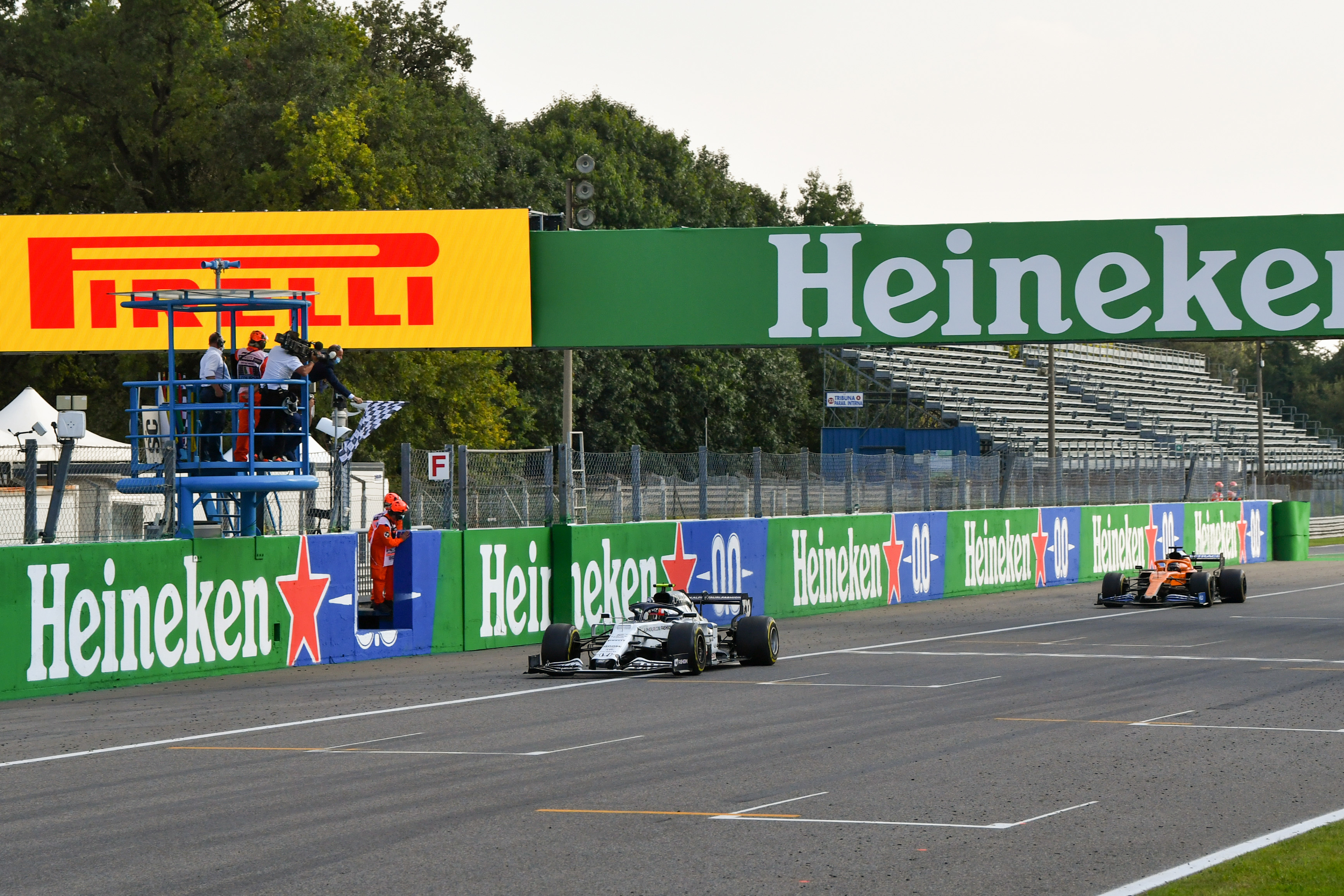
  • 2019 Azerbaijan Grand Prix: Friday Press Conference

    2019 Azerbaijan Grand Prix: Friday Press Conference

    TEAM REPRESENTATIVES – Claire WILLIAMS (Williams), Christian HORNER (Red Bull Racing), Otmar SZAFNAUER (Racing Point), Toto WOLFF (Mercedes), Cyril ABITEBOUL (Renault)

    Q: Claire, if we can start with you and the incident in FP1. What’s your reaction, and what’s the state of the car?

    Claire WILLIAMS: I knew you were going to start with me! My reaction is probably not a surprising one, I’m pretty annoyed. However, we have had it explained to us, the circumstances around the manhole and what’s happened. I don’t necessarily believe it’s probably anybody’s fault, but still it’s pretty disappointing for us. It just seems like it’s one thing after another for our team at the moment. However, it’s happened, we’ve got to repair the damage. Our chassis is cracked so we have got to revert to chassis three, the floor is a write-off, and we’ve got some other small bits of damage around the car. The guys are obviously working pretty hard to make sure that we deploy chassis three; we clearly won’t get out for P2 and George will just have to get all his learnings in tomorrow.


    Q: As you touched on, it’s been a difficult season for Williams so far, but you drafted Patrick Head back into the fold on a short-term consultancy basis. What impact has he had so far, and what’s the plan going forwards to turn around your fortunes?

    CW: Ahead of this weekend I was kind of feeling there was a bit of light at the end of the tunnel and then this happens this morning, but I’m not going to worry too much about that. It’s one of those things. So Patrick coming in, obviously for us is a great thing. He’s acting as a guide for our team of engineers at the moment, just making sure that they’re doing everything that they should be doing. We haven’t had the best year, clearly everybody has seen that. It started with not getting our chassis to testing, and we’ve had to really play catch up off the back of that. So we are now in a position where we have all our race quantities, we have the quality on those race quantities that we needed, and now we’re looking to bring the upgrades that have literally been sitting on a shelf as we’ve cleared the backlog out of manufacturing. So there is some light at the end of the tunnel, I think China demonstrated that we’ve brought a little bit of performance to the car, but we’re still far too far behind the ninth-placed team at the moment. We’re doing a lot of work back at Williams. If anyone thinks that we’re just hoping for a miracle or that things will just go our way at some point, that’s not the case — a lot of work has been going on to make sure that we put ourselves in the right position. Obviously Patrick is playing a role in that as well.


    Q: Otmar, if we could come to you next. Baku’s been a pretty good hunting ground for you in the past, and you’ve scored points in each of the three races this year. What are your expectations looking ahead to this weekend?

    Otmar SZAFNAUER: Well, we hope that we’re a bit more competitive here than we have been in the first three races, but we’ve managed to score points in every one, which is good. We want to continue that trend and maybe pick up a little bit more than we have in the first three.


    Q: The mid-field battle’s once again a closely fought affair. What have you made of that battle and how hard is it going to be for you guys to get on top?

    OS: Well, I believe this year it’s even tighter than years past, and for us to get on top means we have to do everything right. And you know the margins are smaller, so pit stops have to be quick and precise, the drivers have to do a great job in qualifying and the race, you know it’s just all the details you have to get right if the margins are that tight — the little details matter all the more.


    Q: And you’ve had fresh investment in the team this year. Can you talk a little bit about the developments that are coming and the updates that we can expect from Racing Point?

    OS: Well, that’s the other thing. You know we had a big regulation change, so the way I view this year and probably next as well is it’s going to be a development race. The fact that we have funding now to bring the developments to the car as quickly as our internal procedures will allow is a big benefit. We won’t be hampered by not having the funds to actually buy the components. So that will be a benefit, but the real issue is bringing developments to the car that make a performance enhancement, a performance difference, and that’s what we’re focusing on doing.


    Q: Christian, if we could come to you next. Honda have brought an updated engine to Azerbaijan this weekend. How impressed have you been with their reliability and performance so far, and how encouraged are you about what to expect for the rest of the year?

    Christian HORNER: Well so far, the engine’s run absolutely problem-free throughout testing, throughout all the races to date. This engine’s been introduced based on an issue they saw with the Toro Rosso engine, but it also enables us to run slightly more aggressive modes in the race as as well. It’s been hugely impressive, the effort and quality of stuff that’s been coming through from Honda.


    Q: Red Bull took four wins last year. How optimistic are you that you can add to that tally this year?

    CH: Trying to specify an amount of wins is always going to be extremely difficult; our goal is to converge to the where the current benchmark is, which is currently Mercedes. I think we’re doing that. Obviously we grabbed some opportunistic opportunities last year, and by the end of the year we had a car that was genuinely capable of winning on merit of its own and wasn’t circuit-specific. The whole team’s focussed very hard on getting development through on the chassis, obviously engine bits are coming through as well. It’s a long season, we’re at race three, so we’ve done three races and we’re on race four obviously now and we’re confident that hopefully we can continue to close that gap to Mercedes and Ferrari ahead.


    Q: Just a quick word on Pierre – it’s obviously been a difficult start to life at Red Bull, but he seems to be getting more comfortable with the car. Where is he struggling in particular, and what can the team do to help him get on top of those issues?

    CH: He had a tough pre-season, two incidents in the pre-season put him on the back foot and also probably confidence wise as well, but each grand prix we’ve been through so far he’s got stronger and stronger. I think China he’ll take a bit of confidence from, getting the fastest lap at the end of the race there as well. And yeah, I think just more seat time is extremely beneficial to him, and as we come back to circuits that he’s more and more familiar with I think we’ll see him make significant further progress.


    Q: Cyril, if we could come to you. Renault were really positive ahead of this season; it’s then been a difficult few races for you. How would you assess how the opening three races have gone?

    Cyril ABITEBOUL: I think it’s fair to say that it’s not exactly the start of the season we were willing to have, that we’ve been working for. I think that it’s important also to take a bit of distance of the emotions and of the constant drama we are living for in Formula One. We are already sitting P4 into the championship. It’s a tight championship, but we are already sitting P4 with only two cars finishing out of the six cars that have started the season so far. So if with two cars we are capable of doing P4, that’s already an encouragement. Last year we had to do everything extremely right to be able to secure that position, so I think it does say something about the step that we’ve done. It’s not enough, it’s never enough for sure. As a starting point we clearly need to improve the reliability of the engine; as you know over the winter we have been very vocal about the expectation but also about the ambition in terms of power gain on the engine. I think we’ve accomplished that, but in order to secure that we had to on a number of occasions to fast-track some of the internal processes because it’s a Catch-22. You’re running against time, and sometimes also running against limitations in resources, and clearly every single time we could, we biased our internal processes towards performance. So we are paying a little bit for that, but I hope that it’s short term pain for long term gain. On the chassis side, I’m extremely positive about the rate of development, which is stronger than it’s ever been, which is saying something about also the new Renault that we are starting to see in action.


    Q: And just a quick word on Daniel Ricciardo, he had a tough couple of opening races but got on the board. How much of a relief was it to see him score points in China?

    CA: It’s always good to score his first points, you know, and the sooner the better. But I think more important, he now has a car in which he has more confidence. In the first race in Melbourne we finally had the capacity to understand what he wanted. We’ve made changes, we prioritised the changes that he wanted to have, in particular on the systems that are related to drivers, so that he has more confidence in the car. Not exactly yet to the level of competitivity that we want, but so that he can attack and wait for the upgrades to come and hopefully pay some dividends.


    Q: Toto, thanks for waiting, and welcome back to the press conference again. I think that probably shows how successful Mercedes have been this year. When you look back on those opening three races, how pleased are you with what’s gone on, and how much confidence does that give you going forward?

    Toto WOLFF: First of all, it’s always nice to be here. It was a great start of the season; we had a difficult Barcelona testing where we started to understand how to set up the car toward the end of the test only, and then we came to Melbourne and we had a very positive surprise. That was met with a little bit more scepticism then in the second race, where clearly the Ferrari package was the quickest on track. Charles, I think it’s clear, would have won the race if it wouldn’t have been for reliability, but reliability is part of the equation and part of performance. We came back in China very strong, and that is very pleasing, but three races out of 21 is very early and we mustn’t be carried away with a great start.


    Q: And a word on Lewis Hamilton, who was back to his dominant ways in China. How impressed have you been with him this year and the way that he continually re-motivates himself?

    TW: It’s always impressive to look at sportsmen who have been very successful in the past, been setting benchmarks that they’re always able to start a new season very motivated and very energised. Certainly the Lewis that I have seen is in a great place, he’s eager to perform at the highest level, and that is good for him and good for the team.


    QUESTIONS FROM THE FLOOR


    Q: (Scott Mitchell – Autosport) Claire, I know you’ve got more pressing short-term problems at the moment, but last week it was reported that there was interest in serious investment in Williams from Dmitri Mazepin, and I just wondered if you could clarify that from your position and tell us whether or not the team is for sale?

    CW: Yeah, I saw those stories; I paid little attention to them. I haven’t met Mr Mazepin to talk about that. We had a brief conversation in the mid-part of last year, but subsequent to that there have been no conversations. I’d just like to be really categorical about it: Williams is not for sale. I have no intention of putting Williams up for sale. I don’t see why we would. I think certainly in times like this, that the team is going through at the moment, these rumours always come up, but with a business head on, when you’re team isn’t doing well selling at this juncture wouldn’t be the right time to do so. I think you would only investigate that opportunity if you are doing well. That’s the right time to sell. But Williams is in this sport and has been for more than four decades and we’ve never wanted to sell. This is what we do; we don’t have anything else to do. So, it is not on the market. I don’t want to sell it to everybody. I want to go out and prove that we can do what we are in this sport to do – and that’s to get back on the podium and to win races again. That may take us a long time, but it took Frank more than 10 years to do it when he first started in this sport, and I’m sure we’ll have a lot more stuff thrown our way, like we’ve had today, like we’ve had this year, like we had last year. But you don’t give up when times get tough. For me it’s a test of your character that you continue and to prove to everybody that you can do it. That’s certainly the belief everybody has at Williams: that we can do this and we’re not going to just give up because the moments have got a bit hard for us.


    Q: (Dieter Rencken – Racing Lines/racefans.net) Claire, sorry to hone in on you again after the first question. However, there’s been a report floating around about gender gaps and Williams didn’t come off particularly well. As the only female leader of a Formula 1 team, this was rather surprising. Could you substantiate some of the comments or where do we stand on this please?

    CW: Yes, another stick with which people are beating us at the moment. For me, certainly, the regulations by which we have to report our gender pay gap, which we have to do now in the UK, are misleading or they can bring about misleading results. Certainly, for me, the means by which you test how well you are doing to ensure gender equality within your business is firstly by the number of women you actually have and year-on-year we have more and more women coming to work at Williams and I’m pleased to say not just in the more female-dominated roles we’ve had in motorsport in the past, of admin and marketing. More women are coming up now in engineering roles; we’ve got more women in our aerodynamics department, in vehicle design, development etc. But it’s about how you support that talent as well. We’ve just recently launched, about four months ago, at the start of this year, a women at Williams network, and I think we are probably the only team to do that. It’s about not only encouraging talent to come into our team but it’s about how you support them when they are there. And secondly, the most important number for me when we are looking at gender equality is how you much you pay your female staff versus your male, and we went through a big analysis on this two years ago, before we even had to report on gender pay, and we made sure that every woman that was doing the same job as a man was paid the same amount as that male employee for doing that same job. For me, those are the three greatest measures of gender equality within a business and so I have absolutely no qualms knowing that the women in our organisation are treated on an equal standing as our men.


    Q: (inaudible) A question for Toto and Christian. Toto, you said after the Chinese Grand Prix that managing the two drivers might be quite tricky for Ferrari. Do you guys think that this could be an advantage for you and as team bosses how difficult is it to manage these kind of situations and how difficult is it to explain to the drivers the different circumstances and decisions?

    TW: From my standpoint, we’ve been quoted a lot about the Ferrari situation and I don’t think it’s right. We are not in the right place to comment from the sidelines about what is happening in Ferrari. What I can say is that we have been in a situation with Nico and Lewis that was tricky to manage at times, and equally not easy with Valtteri and Lewis, because two drivers that want to win races and do have the potential to win championships, that can be conflicting interests sometimes, and you just need to talk about it. And it’s not trivial. It’s a situation that certainly has an advantage for the team, because drivers are pushing each other and extracting more performance out of the car, but equally in managing personalities and strong characters is never trivial, whether it’s drivers or engineers or managers in general.


    CH: Yeah I think different teams have different philosophies. Arguably having a very clearly defined number one and number two driver is almost easier to work with. That isn’t our philosophy at Red Bull. We allow the drivers to race and sometimes that can be uncomfortable, as we saw 12 months ago here in Azerbaijan. But the philosophy that we’ve always had is to give both guys the same opportunity and let them establish who is the lead driver on track. I think so long as you have clear rules of engagement then we’ve been, I would say, 90 per cent successful with that. I think in the three years that Max and Daniel raced with each other there were only ever two incidents, which considering they were starting next to each other at 90 per cent of the races is a pretty decent ratio. But each team has its own philosophy. It doesn’t make one right or one wrong, it’s just unique to each team, how they choose to racing.


    Q: (Christian Nimmervoll – motorsport-total.com) Cyril and Christian, maybe we can create a little bit more fun for the Netflix people here. I recently listened to Natalie Pinkham’s podcast with Adrian Newey and Adrian basically admitted that there a bit of strategy in the criticism you did towards Renault in terms of a) making them invest more into the programme or b) making them exit altogether – I assume to get a new engine manufacturer. Christian, do you want to put any more context to that? And Cyril, obviously asking for your comment too.

    CH: Well, I read with interest Adrian’s comments about that and I think what he is referring to is actually back in 2015, where we’d had several conversations, we’d been to Paris, we’d seen Carlos Ghosn, we’d presented what our concerns were and I think by 2015, when the engine was arguably worse than it was in 2014, then frustration boiled over to the point that it was like ‘OK, if we are more open about what our frustrations are, maybe it will force a reaction’. It didn’t! I don’t think you were even involved at that stage were you Cyril?


    CA: I was just on my way back. I don’t know if that was a good thing or bad thing!


    CH: So Cyril came back into the full brunt of it. You were a customer the year before! So yeah, it was one of things that you try every mechanism that you can to try to generate competiveness and at that time it was felt that maybe Renault couldn’t possibly afford the embarrassment of these engines not being competitive and not being reliable and not delivering, but yeah, unfortunately it didn’t work.


    CA: How to respond? It was very good until the last word – it didn’t work. One thing we can give credit to Christian and Red Bull is that they are fantastic at communication strategy and communication is part of this world, it’s part of Formula 1, it’s part of your strategy and your tactics. It’s not the first team and it’s not the last team to use all the weaponry of this world, and frankly you guys, to influence what is going on. I was reading yesterday that Max is happy to take an engine penalty – amazing! You know, that’s part of this world, but I don’t want to lose sight of the fact, and I would concur with Christian in relation to that, our engine was not at the required level in 2014 and 2015. There are mitigating circumstances. You know, we were extremely happy and Renault has contributed to making Red Bull what it is today by winning four championships in a row – from a financial perspective with sponsors, from a technology perspective with talent, recruitment – Red Bull is what it is today thanks also to Renault. Thank your for giving me the opportunity to say that. But then, later on, indeed we lost a little bit the momentum and sight of what needed to be done for 2014 regulations. The rest is history and we;’ll see what the future is holding.


    Q: (Julien Billotte – Auto Hebdo) A question to all five please. What’s the latest on the 2021 regulations? There was a big meeting one month and ever since we haven’t heard much more. Do you have any more details and generally how pleased are you with the way F1 is moving forward?

    OS: Well, I think with every meeting we iterate what the regulations are going to look like. I believe there is a deadline of med-year for something to be published and I think we’re getting closer now. The FIA have asked the teams for feedback, which we’ve given. There are still some outstanding issues on some components that will either be supplied or not and when we know more information then I think we’ll get closer to that but mid-year something should be published.


    Q: Christian?

    CH: Yeah, it feels like we’re converging. There are still a few elephants in the room but yeah, it feels generally like on all front we are converging in the right direction, so hopefully over the next few months something can get sorted.


    Q: Toto, do you have anything to add?

    TW: Yeah, as Christian said, it’s difficult because there are so many important balls in the air, whether it’s prize fund redistribution or the cost cap, technical and sporting regulations and it is progressing slowly. We’d like to have it done sooner rather than later and this is the joint objective of all stakeholders involved – the FIA, Formula 1 and the teams.


    Q: Cyril?

    CA: Nothing much to add. Maybe just on timing, we really see the end of June as the deadline. That is a necessary deadline for the sport, for the OEMs and for all teams really, to know what the future is holding and to start to make plans accordingly.


    Q: And Claire, anything to add?

    CW: Yeah, I would agree. I think that the versions that FIA and FOM presented to us a few weeks, we were really pretty happy with. I know that there are a few things still being discussed at the moment, to clarify, but we’d be very happy when they come out to sign them.


    Q: (Dieter Rencken – Racing Lines / racefans.net) Further to my question to Claire earlier on about the gender pay gap, how comfortable are the other four teams that you’re actually fulfilling the moral obligations in this regard as well – not only the legislative ones. And then Christian, I see you were asked to comment on Adrian’s comments. Would you like to comment on Dr Helmut Marko’s comment that he didn’t think a women driver was up to Formula One?

    CA: I think frankly it was extremely well put by Claire and there is little that I can add. I think those indicators are good, because we live in a world of indicators but there are quantitative and we live in a Formula One world which is much more qualitative. Statistics are, in terms of quantity, pool of resources is much lower. I think really what matters is that, for a given position, there is equality and parity of treatment for a given position. And that’s basically, the hurdle. As far as we are concerned, we are obviously very keen. We go up massively in terms of resources, that’s given us the opportunity to attract with equality – but also our executive committee, our management committee is almost 50:50 between men and women, so I think it’s a clear demonstration that we are serious about that. And I will leave Christian to comment on Dr Marko’s point…


    Toto, do you want to give a Mercedes standpoint?

    TW: I think a lot has been said within Daimler. Within the Daimler board there is more female representation and when you look at the motor racing side, Britta Seeger who is on the board for sales & marketing and Bettina Fetzer, vice-president for marketing, they were strongly behind us going into Formula E and they are very engaged, also they are at Formula One very often and they are there on merit. The same in small is within the F1 team. I’m really happy to see that, from the young ones that are going us, it looks like the proportion of young ladies is much higher than it was in the past. Being an engineer, technician or mechanic is more of a career route than it was in the past. As you know, my wife has done a programme that was called ‘Dare to be Different’ and has joined forces with the the FIA now, in order to promote young women into the sport, so I’m the first one to have seen how powerful that can be and I think the proportion of females in our organisation will grow, or is growing as we speak – and that’s good.


    Otmar, do you want to answer that question?

    OS: Well, at Racing Point and Force India before, we don’t really differentiate by gender at all. So, we differentiate by the ability to do the job. There are many – well, not many – but a few departments that I can think of now where we have both men and women and they’re led by women and that’s just because they’re better at what they do. I think if that’s the philosophy, the gender pay gap should naturally become zero, so that’s how we go about things. The only other thing I’ve got to say is that, in my household, there are more women than men. You’ve got to try to treat everybody like you would want another boss to treat your daughter. So, if that’s the case, I think you get to the right place.


    Christian, thanks for waiting, and to deal with Dr Marko’s comments as well.

    CH: Well, as you all know, I’m all for Girl Power. I think it’s quite obvious that Claire should be paying herself significantly more than she obviously is. But, again, within our team, somebody that performs a role, it’s irrelevant whether they’re male or female. They’re paid the same for the role that they perform. We have some great engineers, some great designers, a growing contingent of more and more females coming into the business, which is great to see. Quite often we have a strategist on the pit wall that’s currently on maternity leave, in key and prominent positions. As far as Helmut’s comments were concerned, I think they were off-the-record comments, I think they weren’t… maybe they’ve been converted slightly. From a Red Bull perspective we’d be delighted to see more girls coming into the sport; we’d be delighted to see a girl get into Formula One and ideally be competitive. I think what he was alluding to is that there is nobody in a position to be competitive in Formula One at the moment and I think what that needs is for more girls to get involved at the grassroots, to get involved, to go karting and there needs to be a bigger pool of them coming through the sport. I think that way more opportunities will present themselves. There’s obviously a Formula W category now that starts shortly but again, where will that lead on to? They need to be able to move on from there. I think from a Red Bull perspective, we’d be totally in favour of seeing girls in motorsport come through – but I think it needs more involvement, and to appeal more as a sport where girls can get involved at a grassroots stage.


    Q: (Rebecca Clancy – The Times) To Claire. I appreciate it’s only a couple of hours old but do you have an idea of the scale and the cost of the damage, and will you be seeking compensation as Haas did when Grosjean hit a drain in Malaysia in 2017?

    CW: We obviously know what damage has occurred. To actually quantify that cost, it’s a little premature to do that but we will be doing it and we clearly will be discussing that with the FIA.


    Q: (Christian Nimmervoll – motorsport-total.com) Toto and Cyril, the two of you came forward last year with the suggestion of, in terms of the race calendar, probably doing less races rather than more. The idea, I believe, being more exclusive events and probably promoters paying more. Cyril, you also mentioned something about being fresher. Maybe the two of you – also anyone else who wants to comment, can elaborate on whether that has gone any further, and add your opinions to that at the end?

    TW: The balance you need to strike is between understanding that Formula One is a very aspiration and glamorous sport and obviously less can be more. But equally, as a company, we want to grow our revenue and the obvious revenue trigger is doing more races. I think FOM is pretty clear that, if more races are being added to the calendar, they need to be creative and they need to make all the way down to the bottom line or be very attractive races, tapping new markets. I think the mix at the moment and the discussions we are having is right.


    Cyril, do you have anything to add?

    CA: No, I think it’s that balance between quantity, quality, being aspirational, being something special but still being capable of existing enough in that world that is full of content and proposition in terms of sports properties. We need to make sure that we are different in the space that exists right now, and the media focus for Formula One. In the current business model the only way to grow the revenue indeed is to add up more races – or at least to keep the current number, so if we really think that it needs to be changed in future, we need to change our business model, so that we don’t need to keep on growing the revenue – and that means reducing the costs, reducing the necessity to spend to be competitive. That’s maybe one of the positives for the budget cap. Maybe not for the next cycle but maybe one cycle from now, have the ability to reduce that cost so that we can think a bit more strategically, rather than being a slave or revenues.


    Claire, how would affect an independent team like Williams?

    CW: I agree with what Toto and Cyril have said around striking a balance, and maybe wanting to go to fewer because of the aspirational side of Formula One. I think you add more races and if you don’t get that balance and don’t get the necessary income in for going to four or five extra races, the pressure that it puts on our team… our guys are already going around the world 21 times a year, plus the tests. That’s a long time to expect people to be away from home. Great if you’re a team that can afford to have a support team, or a support structure that you take personnel in and out, or if you’ve got a second race team that you can send around the world – but clearly for smaller, independent teams, that’s a much harder piece of work and just puts far too much pressure on the system. Not just from a personnel perspective but also from how many additional parts we’re going to have to manufacture etc., So there’s a whole series of considerations around it.


    Christian, do you have anything to add from Red Bull’s perspective?

    CH: I think it’s been pretty well summed up. I think what you have to appreciate is that a grand prix weekend. Not for us but the people down in the garage, it’s a week-long event and for many other functions that are involved in going to grands prix. 21 is already a big ask. Going beyond that is, I feel we’re a tipping point. You then have to look at the construction of the grand prix weekend. Do we need to do as much testing as we do? The duration of the season. All those factors and what impact it has on cost and budget caps and so on and, is ultimately it going to make a better show? A book can only have so many chapters and we want to make sure as many of those chapters are as entertaining as possible and it crescendo’s to something. What you don’t want to have is saturation. And I think it’s finding that balance of what is the right number and what is the right construction of a race weekend.


    And Otmar, Racing Point is obviously a team that’s growing, new factory is coming on. How does it affect your team?

    OS: We are growing and we’re recruiting now – but not at a pace where we’d take a half-step backwards. We’ve got to really be careful that the new factory that’s being planned now as well as our recruitment drive and some other things that are changing  don’ affect the performance at the end of the season. So it’s a fine balance to strike but it’s one we’re conscious of and working hard to make sure we get right.

  • F1 2019: Australian GP Preview – Ready to go

    F1 2019: Australian GP Preview – Ready to go

    It’s been an awfully long wait but the start of the 2019 season is here. Twenty-one races, several countries and continents and a excess of expectation await.

    Everyone is clamouring to understand and predict the pecking order and while there is a rough idea of who sits where, at least at the top, Formula 1 has always been better when it’s been unpredictable. Still, the probability is that Ferrari are a smidge ahead of Mercedes on pace. But given the unique layout of Australia’s circuit this may not count for much.

    The traditional season-opener around the semi-permanent Albert Park circuit is unlike any other on the calendar and thus makes it an outlier in terms of performance. The fiddly track is akin to a street circuit albeit with a bit more run off area should the odd mistake arise.  The layout comprises a mixture of medium speed corners and places an emphasis on stability under the braking. It is highly possible for a car to go well around this circuit and not truly be one in the running come Abu Dhabi in December but there are still 25 points for the one who sees the chequered flag first which makes it as important as any of the races in the line-up.

    New for 2019 are the aero regulations surrounding the front and rear wing area of the car as well as the simplification of the barge boards. In addition, three colours have replaced the rainbow selection of tyre compounds for this season. White, yellow, and red will make up the range of compounds with white being the hardest of the weekend, yellow the medium, and red the softest tyre available.

    Valtteri Bottas_Silverstone 2017_Thursday P1It’s a big year for the teammates. At Mercedes Valtteri Bottas has to impress Toto Wolff and co enough to keep Esteban Ocon out of his seat. Not in the Finn’s favour is the fact that in order to do so he has to beat, or at least match, his teammate and five-time world champion Lewis Hamilton. It’s a tall order for the Bottas but his task is crystal clear.

    At Ferrari expectations are high for young Charles Leclerc too. All indications are that the Monegasque driver has all the speed he needs to well at the Italian team but it remains to be seen how he’ll handle the pressure of racing for the most famous mark in motorsport.

    The rivalry between Max Verstappen and his new teammate Pierre Gasly hasn’t been given as much attention as the previous two but is no less intriguing. The French driver arrives from Toro Rosso where he easily had the beating of Brendon Hartley. It will be significantly more difficult to consistently out-perform someone like Verstappen.

    All of this and the incredibly tight battle for mid-field supremacy hasn’t even made into the conversation yet. While Williams, now sans technical director Paddy Lowe, are unfortunately expected to prop up the rear of the grid the battle between the likes of Renault, Haas, and Alfa Romeo appears especially tight. The most important thing that needs to be known, for now, is that Formula 1 2019 is here.

  • F1 2019: Ferrari – Gamble or Guile?

    F1 2019: Ferrari – Gamble or Guile?

    Much has been written about Ferrari’s drafting youngster Charles Leclerc into one of the most coveted seats in Formula 1. While expectations are exceedingly high for the young Monegasque driver there are other quite significant changes that have been made at Ferrari for the 2019 season.

    The sudden death of Sergio Marchionne was a big blow for Ferrari. As the architect and saviour of Ferrari Marchionne was a tremendously important figure for the company and the F1 team. It’s no surprise that, internally, his loss was felt in a big way.  A new CEO was announced in the form of Louis Camilleri, the former boss of Phillip Morris International and Ferrari board member. He immediately walked back Marchionne’s threats of quitting F1 and vowed to work in favour of keeping the iconic team in the world’s premier racing series.

    Camilleri also stated that there was no need for him to intervene or make any changes to the team given its positive performance. However, it wasn’t too long before he began to ring the changes. First, it was Charles Leclerc in for Kimi Raikkonen followed by an announcement that team principal Maurizio Arrivabene would be replaced by technical chief Mattia Binnoto. Rumours swirled throughout the season of unease between Arrivabene and Binnoto, which, at the time, were dismissed as untrue by Ferrari. However, the rumours sustained and grew to include several suspicions that the relationship between Sebastian Vettel and Arrivabene too wasn’t in a good way.

    Binnoto’s new role as team principal will mean that the technical department must be restructured too. After all, Binnoto can hardly be expected to wear both caps of team principal and technical chief at the same time. As team principal of Ferrari he will be tasked with and face an inordinate amount of pressure. First, he’ll be responsible for heading a team with a brand-new driver in the line-up. If, according to many expectations, Leclerc pushes teammate Vettel, ala Hamilton and Alonso in 2007, all the way he’ll have quite a job on his hands to contain such a situation. There is no doubt that as Ferrari team principal he will face relentless and unforgiving pressure to guide the famed team to championship success which has eluded them for a decade.

    It is curious however to know why Ferrari has chosen to restructure in this manner, as it isn’t a recipe followed by other front-running teams. At Mercedes it has been stability that has been one of its major strengths. As team manager Toto Wolff has James Allison, formerly of Ferrari, overseeing the technical side of the team while Christian Horner relies on Adrian Newey to keep his hand over the technical side of Red Bull. Even at Williams Claire Williams has Paddy Lowe at the helm of the technical department.

    The restructuring at Ferrari signals intent from the Italian team. But equally it reveals that they are still playing catch up with the likes of Mercedes and are yet to hit on an efficient method of running a cohesive team that can execute at the highest level week in and week out. The expectation will be that this reorganizing, across several departments, is the catalyst for finally getting the team onto the front foot from day one.