Category: Technical

  • Ferrari unveils the F14-T

    Ferrari unveils the F14-T

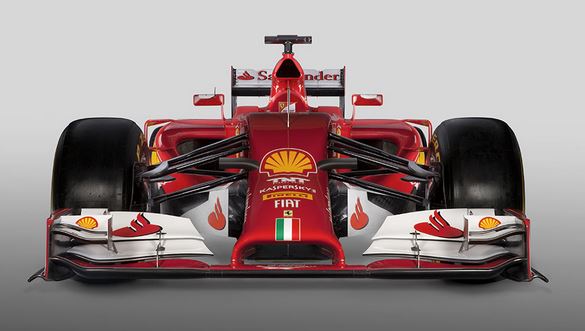
    Ferrari has unveiled their 2014 challenger, the F14 T.

    The F14-T which was named by a fan vote and will be raced by what is arguably the strongest driver line-up on the 2014 grid – Fernando Alonso and Kimi Raikkonen, and features a far wider nose tip than we’ve seen in the cars launched so far.

    The F14-T will be debuted by Raikkonen at Jerez on Tuesday and Wednesday, before he hands over testing duties to Fernando Alonso for the remaining two days.

    The Ferrari F14-TThe rear of the car seems very tightly packaged around the new turbo engine but due to the ‘anteater’, ‘bull’ and ‘tusk’ noses that have preceded the launch of the F14-T, all eyes are on the nose of the new Ferrari which features a far flatter design than those preceding it.

    Ferrari said in a statement that the new regulations presented designers with a real challenge to repackage the front suspension into a much lower monocoque.

    “The front wing is regulated to be 75mm narrower per side in order to make it less vulnerable to collisions with other cars and with the barriers,” their launch statement said. “This change, perhaps one of the less noticeable visual differences to the 2013 cars, has a profound effect on the aerodynamics of the vehicle.

    The Ferrari F14-T“The front wings used since 2009 have all featured elaborate measures to encourage the wake of the front wing endplates to pass around the outside of the front tyres in order to maximize the downforce on the car. An innocent change of just 75mm to the position of the wing tip has required us to reinvent completely the front wing aerodynamics for 2014.”

    Ferrari team principal Stefano Domenicali said that the new additions to the technical team and the upgrades to the wind tunnel – which is now operational at Maranello – have been crucial for Ferrari to make a step forward.

    “In the last couple of years the changes and investment we have made in Formula One has been very important and significant,” Domenicali said. “Some have been spectacular in terms of names that were in the Formula One world and some others less, but nevertheless the changes were very important.

    “Not only the organisation of the people, but also investment in the new windtunnel and tools of the simulation that are really important to make sure all the group of engineers can make the difference.”

    The F14-T retains Ferrari’s pullrod front suspension concept in the new design and the new car is the first that will have been influenced by Ferrari’s new technical chief James Allison, who arrived late last season after switching from Lotus.

    Ferrari is clearly hoping that the F14-T will have what it takes to finally bring home the championship that has been snatched away by Red Bull for the last few years. The 2013 season saw Fernando Alonso coming super close to clinching the title but just not having the car to make it happen. He compared his experience of not winning the title in his first four seasons with Ferrari to that of Michael Schumacher, who finally won his first championship with the Scuderia in his fifth season with the team.

    The Ferrari F14-TAlonso said, “I think Schumacher won in the fifth year with Ferrari. I’m in the fifth year now so hopefully I can repeat some of the success that he had. Obviously in the last four years we had some opportunities, especially in 2010, 2012, we were very, very close to winning the championship. So this year we’ll try again and hopefully this time will be the good one.”

    Alonso also believes that his partnership with incoming Kimi Raikkonen will be formidable saying, “I think [with] Kimi and me as a team we should be quite strong because we’ve had some success in the past in our Formula 1 career.”

    Coincidentally, Raikkonen is the last driver to have won a title for Ferrari, in 2007 but he was sent packing to make way for Alonso.

    Raikkonen is very positive about the F14-T and his return to Ferrari. “It is nice to come back to Ferrari, the place I won my championship,” he said. “The aim is the same. We want to do the best I can, try to win races and championships.”
  • Lotus reveals sneak pic of the E22

    Lotus reveals sneak pic of the E22

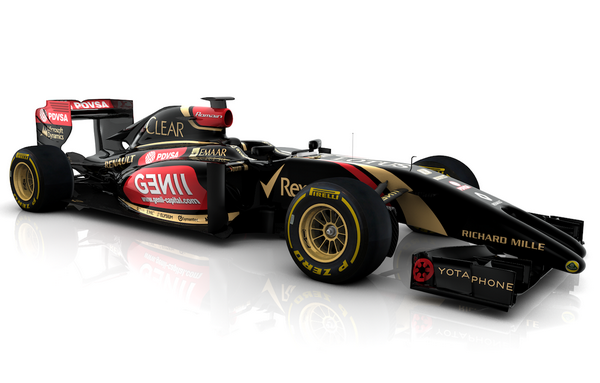
    Lotus today released an image of their 2014 challenger – the E22 just as the launch of  McLaren’s MP4-29 got underway.

    While all eyes were on Woking, the Enstone based team decided to steal a little of the limelight in the wake of the announcement of team boss Eric Boullier’s departure. The team announced earlier today that Boullier will be replaced by Gerard Lopez and the Frenchman is expected to be headed for McLaren.

    Lotus’ image of the E22 reveals a two-pronged, tusk-like solution to the front nose tip height regulations where other teams so far have revealed anteater-like / finger solutions.

    Despite the surprise rendered E22 image from Lotus, it has already been confirmed that they will not be present at the first pre-season test at Jerez and will instead make its debut in Bahrain next month.

  • Video: Technical Lowdown: McLaren Mercedes MP4-29

    Video: Technical Lowdown: McLaren Mercedes MP4-29

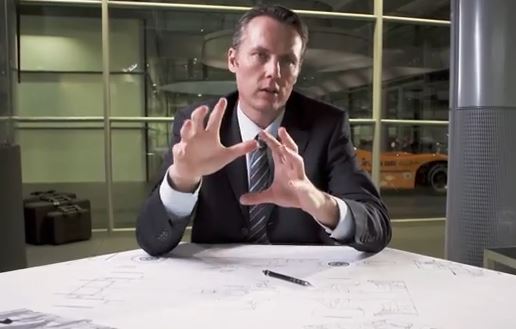
    McLaren Mercedes Sporting Director, Sam Michael, gives some in-depth insight into the 2014 McLaren Mercedes MP4-29 including an intriguing closer look at the technical specifications of the 2014 Formula 1 season.

  • The Williams F1 Team’s FW36

    The Williams F1 Team’s FW36

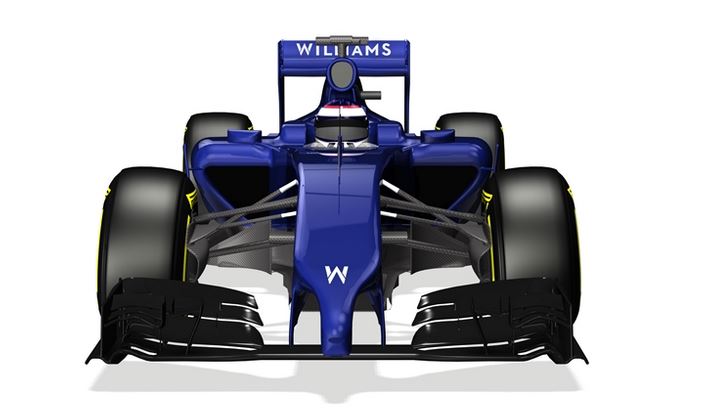
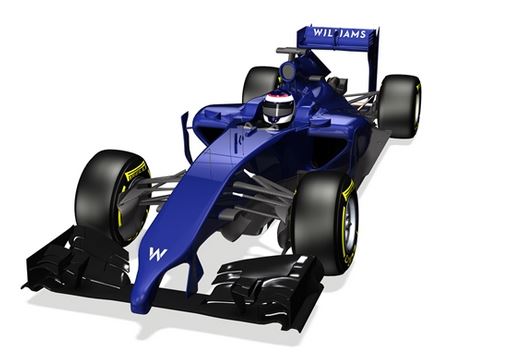
    The Williams F1 team revealed the first images of their 2014 contender, the FW36 on Thursday via its website and Twitter.

    The images released are a digital rendering of the car which is shown in an interim all-navy blue livery. The released images were met with much skepticism and criticism from fans on the social networks – specifically around the narrow nose which features on the FW36. The nose is far narrower and has even been reported to resemble that of an anteater but is necessary according to the team to meet FIA regulations while allowing for as much airflow as possible under the car. Most teams are expected to adopt similar solutions to meet the 2014 regulations.

    According to the team, the FW36 is one of the “most technologically advanced Formula One cars produced by Williams” and is the culmination of more than two years’ research and development by the team’s technical departments. It is also incorporates the power unit from the team’s new partner, Mercedes-Benz.

    The Williams FW36The FW36 will be the first Williams powered by a Mercedes engine, with the all new V6 turbo and Energy Recovery Systems. “This is the first time that Williams has worked with Mercedes in F1 and we’ve been very impressed,” says Williams Chief Technical Officer Pat Symonds. “Their professionalism and commitment have been notable and we’re as confident as we can be that the power unit will be competitive.”
    “There’s a lot more technology on the cars this year,” he continued. “We’ve had turbo-charged engines in F1 before; what’s different this time is that it is much more than just an engine change, it is a completely different system. We’ve gone from a slightly hybridised normally aspirated engine to a fully integrated hybrid power unit with novel technology at its heart.

    “Overall the cars will need more cooling this year. The demands on water and oil cooling may be slightly diminished, but the ERS system is significantly more powerful and hence needs more cooling. We also have to cool the charge air from the turbocharger compressor which requires a substantial intercooler.”

    According to the team, the FW36’s gearbox ran on the dyno for the first time at the beginning of November, before running with the full power unit several weeks later. It’s also the first eight-speed gearbox in Williams’ history.

    Symonds explained, “We finished the gearbox relatively early. It’s completed a lot of running on the test rig and at Mercedes HPP in Brixworth, but you can’t take reliability for granted. It’s a completely new ‘box and it has to cope with a lot more torque than was the case with the V8.”

    The Williams FW36The team also explained on their website that the weight of the car, when combined with the FIA’s ever more stringent crash tests, has been another big challenge  for them. But they’re proud of the fact that the FW36 was one of the first cars to pass its crash tests prior to Christmas.
    “The build of the new car has gone remarkably smoothly,” said Symonds. “But it’s been a challenge to get the car down to the weight limit. It’s been achievable, but it hasn’t been easy because the new power unit is heavier than the outgoing V8.”
    Most fans will be waiting to see the aerodynamic impact of the changes made on the FW36 which we’ll only get to see at testing next week but Symonds is confident that the team have made great strides forward and are closer to competing with the cars up front. “I’m confident that we’ll be closer to the front aerodynamically than we were last year,” he said. “Our ambition for the year ahead is to have a strong 2014 season.”
  • Force India’s 2014 VJM07

    Force India’s 2014 VJM07

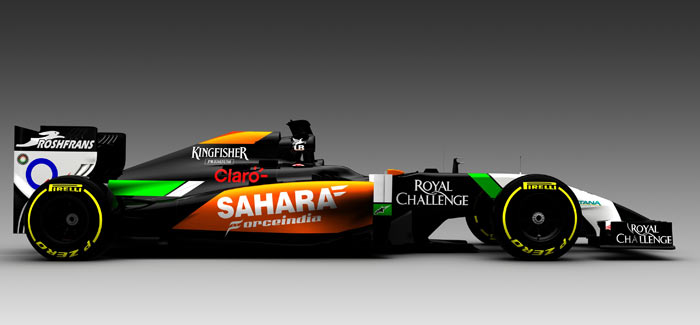
    Sahara Force India were the first to unveil their new 2014 contender the VJM07, as the team released an image of the car on Wednesday morning.

    The team said on their website that “paint schemes are the skins and souls of Formula One cars” and they’ve worked hard to maintain a distinctive look but have brought a fresh “aggressive” look to the grid this year introducing black alongside the traditional colours of saffron, white and green.

    Vijay Mallya is very pleased with the new look VJM07 saying, “The VJM07 looks stunning and the new livery reflects the way Sahara Force India is evolving. I’ve always believed our cars have been the most eye-catching, but adding black as a main colour gives us a fierce new look.”

    A number of new commercial partners have been introduced including telecommunications brand, Claro, signalling the start of a multi-year deal with the team. Their logo is displayed on the engine cover and there will be prominent Claro branding on the drivers’ race suits and kit.

    Other new sponsor branding on the VJM07 include lubricant oils specialists, Roshfrans who have also inked a multi-year partnership with the team and Astana, a foundation supporting sporting and promoting the capital city of Kazakhstan.

    Mallya went on to explain, ““It’s been a busy winter for us on the technical and commercial front. “When I founded the team my first ambition was to launch the first Indian team on the grid, but the next stage in our evolution is to develop a global brand. I think that ambition is reflected in the partners we are working with and our world class driver line-up. It certainly feels as though there is the potential for 2014 to be our strongest season yet.”

    The team said on their website, “As we enter our seventh season, this new fresh, dynamic look signals the team’s renewed ambition – the next step in our shareholders’ bold vision. Having achieved the objective to have an Indian team on the grid and having signed world-class drivers, our sights now turn towards the next target.

    Sahara Force India’s contemporary new look heralds the evolution into a global brand, supported by passionate fans the world over, ready to pounce on the higher echelons of the grid.”

    There are also a number of technical improvements and changes to the VJM07. “The new rules have presented us with a huge challenge, but I’m very proud of the approach we have taken and the direction of the technical team,” said Mallya. “It will be fascinating to see how different teams have interpreted the rules and at this stage it’s impossible to predict who has done the best job.”

    Technical Director, Andrew Green, explained just how different the VJM07 is compared to the VJM06, “Almost every single part is a new design, from the front wing right back to the diffuser. The genetics of the VJM07 still lie in the 2013 car, but we’ve had to achieve the same results in a slightly different way.”

    Green said that accommodating the power unit was the biggest challenge for the team, “It’s been a massive job to accommodate all the changes to the power unit – it’s the biggest change I’ve witnessed in the sport since I started in 1990. Cooling has been the biggest challenge with most of last summer taken up trying to understand the cooling requirements of the power unit, and how best to optimise it in the chassis.”


  • Formula 1 in 2014: Technical Changes and Challenges

    Formula 1 in 2014: Technical Changes and Challenges

    Formula 1 in 2014 is going to be a whole new ball game for the teams and the drivers. There are a whole raft of changes that are going to be made, from the engines to the wings and everywhere in between. There is not much that will stay the same. Let’s take a look at some of the technical changes that will be taking place.

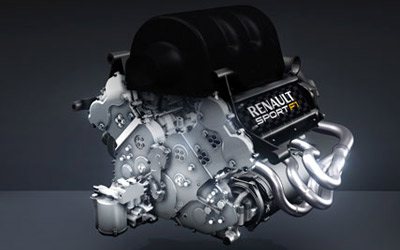
    The biggest technical change will be the engines. From next season we will see the debut of 1.6-litre V6 turbo charged engines which will produce about 600 horsepower or roughly around 450 KW. Extra power will be made available through an Energy Recovery System (ERS). This is a big change from the current naturally aspirated 2.4-litre V8 which produces 750 horsepower or roughly 560KW. The maximum revs will also be reduced from 18 000 rpm to 15 000 rpm.

    Listen to the Sound of the new Mercedes-Benz V6 turbo engine here.

    Or listen to the Sound of Honda’s new 2015 F1 engine here.

    The ERS unit will recover energy under braking (as it currently does) as well as the excess heat energy generated by the engine’s turbocharger. The ERS unit, together with the engine, make up the cars power unit. The ERS unit will give the drivers an extra 160 horsepower (+/- 120KW), for 33 seconds a lap as opposed to the current KERS units, which give drivers around 80 horsepower (60KW) for 6 seconds per lap.

    The gearbox will now feature eight forward gears, as opposed to the current seven. Teams will need to choose their new gear ratios before the start of the season.

    Fuel will be limited to 100kg per race in order to promote fuel efficiency in cars. There is currently no fuel limit, but cars use up about 160kg of fuel per race.

    The exhaust outlet for the 2014 cars will be a single exhaust outlet which will be angled 5 degrees upwards at the exit of the pipe. This is to prevent the use of exhaust gasses for gaining aerodynamic benefit.

    brawn+2009

    The height of the nose for cars in 2014 will be lower than it is currently. The maximum height that’s allowed for the nose is 550mm. Next year, this height will be reduced to 185mm. This drastic drop in height will result in cars looking like the F1 cars in the early 90s or more recently the Brawn Mercedes of 2009 with its droopy nose.

    The other technical change up front will be to the front wing. The width of the 2014 front wings will be 150mm shorter, or 75mm from either side. Currently, the width of the front wings may not exceed 1800mm. In 2014 the front wing may not exceed 1650mm.

    At the back of the car, the beam wing that teams use for extra down force is being outlawed. The main plane of the rear wing will be slightly shallower in length.

    The minimum weight for the cars will be raised from 642kg to 690kg to accommodate for the extra weight of the ERS unit.

    The greatest technical challenges that teams will run into will be around how to package all the new bits into the car whilst also taking into account the cooling of the much bigger ERS unit. Each team will have their own unique way of packaging the different elements into the cars. This, in itself, brings about quite a few challenges. Because, on the one hand you need things to be easily accessible when the need arises to repair parts, while at the same time you need the tightest packaging possible to ensure that the impact on the aerodynamics of the car is minimal.

    2014 will bring teams back on to a level playing field. The team that finds the best package to make everything come together and work perfectly, will undoubtedly win the 2014 Formula 1 Championship.


  • 2013 Formula 1 Mid Season F1 Technical Round Up – Part 3

    2013 Formula 1 Mid Season F1 Technical Round Up – Part 3

    In the final part of this F1 technical round up we take a look at the remainder of the teams on the grid.

    Sauber F1 Team

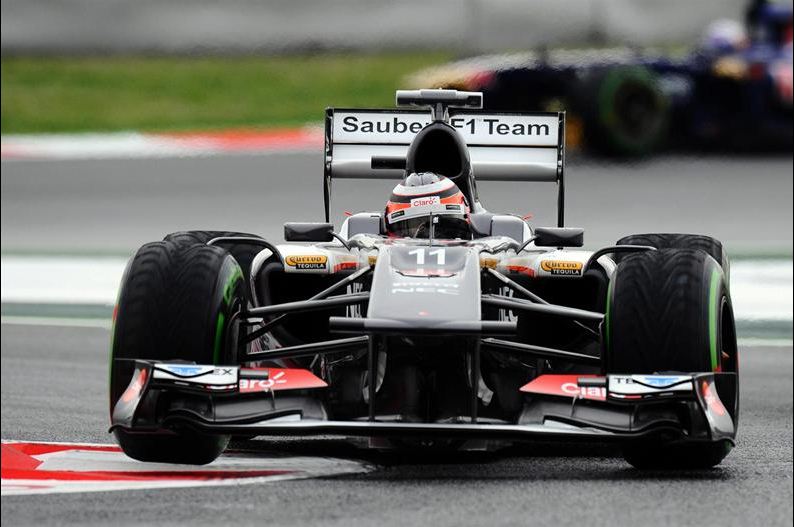
    The 2012 Sauber C31 was a very good car. It was very kind to the tyres and it had very good race pace. This season’s C32 is not as quick as the car from the previous season and they have been struggling for pace. They’ve been bringing new developments to each race to try and get the car back on pace. The team are making slow progress and with their recent financial issues all sorted out now, they should be able to continue development on the 2013 car.

    Sauber_FrontWingBulgeSauber have been regularly changing the nose of the car. At the Spanish Grand Prix they had a front wing with the FOM camera mounted at the tip of the nose, giving it a hammerhead shark-like appearance.

    At the next race in Canada there was a bulge (like a pelican beak) on the underside of the nose cone with the FOM cameras moved slightly back. The front wing itself has been pretty much unchanged since Spain with only slight changes made to the front wing cascade.

    At the start of the season Sauber had a dipped rear wing. The central portion of the wing Sauber_RearWing Comparisonwas extended a bit further down.

    This configuration allowed them to run a little less aggressive angle of attack while still maintaining down force.

    At the Spanish Grand Prix, the team brought a more conventional straight wing and have stuck with that configuration since.


    Williams

    Williams_FrontWing

    The Williams F1 team have really been struggling with their 2013 car. The car is nowhere near the pace of their 2012 car. They had tremendous qualifying pace last season, yet this season they struggle to make it through to Q2 in some qualifying sessions.

    They haven’t been able to stick to one front wing design. At the German Grand Prix they tested two different types of front wing designs. While this is normal for any team, they have not yet been able to find a design that works for them. Each configuration has a different cascade and is often missing the inverted “L” cascade near the center of the wing.

    They’ve also changed the nose of car. The front pillars were similar to that of Ferrari’s at the Spanish Grand Prix, where the pillars extend from the tip of the nose to the wing. At the British Grand Prix they introduced a nose with a bit of a bulge on the underside with the pillars joining further back.

    Around the side of the car they’ve added four vertical vortex generators to help Williams_Vortex_Generatorsthe airflow to the exhaust.

    At the rear of the car they’ve been running their boomerang wing which bends upwards from the main plane.

    Toro Rosso

    Like Force India, Toro Rosso have had a rather good start to the season. In the last few races they’ve shown that they can be competitive with Daniel Ricciardo finishing in the points.

    Toro Rosso, F1 Qualifying, Spain 2013

    The big change came to the car at the Spanish Grand Prix where they implemented a cross-under tunnel layout similar to their big brother team, Red Bull. Unlike the Red Bull solution where the cross-tunnel is totally closed off, Toro Rosso’s is only partially closed off.

    This does not mean that it’s less effective though. The Red Bull has a Renault engine and the Toro Rosso runs Ferrari engines. They both have very different characteristics when they’re off throttle, on the throttle etc. This is probably why the Toro Rosso solution differs slightly.

    They also have their own version of a low down force rear wing which is similar to the wing that Sauber was running at the start of the season. They returned to a straight rear wing set up at the British Grand Prix.

    It does look like the team have found a good balance between speed down the straights and speed around the corners. It will be interesting to see how they get on in the remainder of the season.


    Caterham

    Caterham started the 2013 season with a 2012 spec’d car. At the Spanish Grand Prix the team introduced a whole raft of changes Caterham_NewBodywork_spainwhich made it more like a CT-03 v2.0.

    They re-profiled the whole nose cone. The new spec used a vanity panel and featured a bulge on the underside. The front wing was also changed with new cascades.

    The side pods featured twin element air flow conditioners with the rear element curving over the top of the side pods. Very similar to what Ferrari tested.

    The rear wing was improved to make it more efficient and horizontal strakes were added to the endplate to direct airflow.


    That rounds up our look at F1 technical upgrades and updates that the teams have made to their cars throughout the season so far. It is going to be very interesting to see who can up their game for the remainder of the season, and which teams will be left behind. We’ll bring you all the F1 technical updates we can throughout the rest of the season. But now, on to Hungary!


  • 2013 Formula 1 Mid Season F1 Technical Round Up – Part 2

    2013 Formula 1 Mid Season F1 Technical Round Up – Part 2

    In this second part of our F1 technical round up we take a look at McLaren, Lotus and Force India.

    McLaren

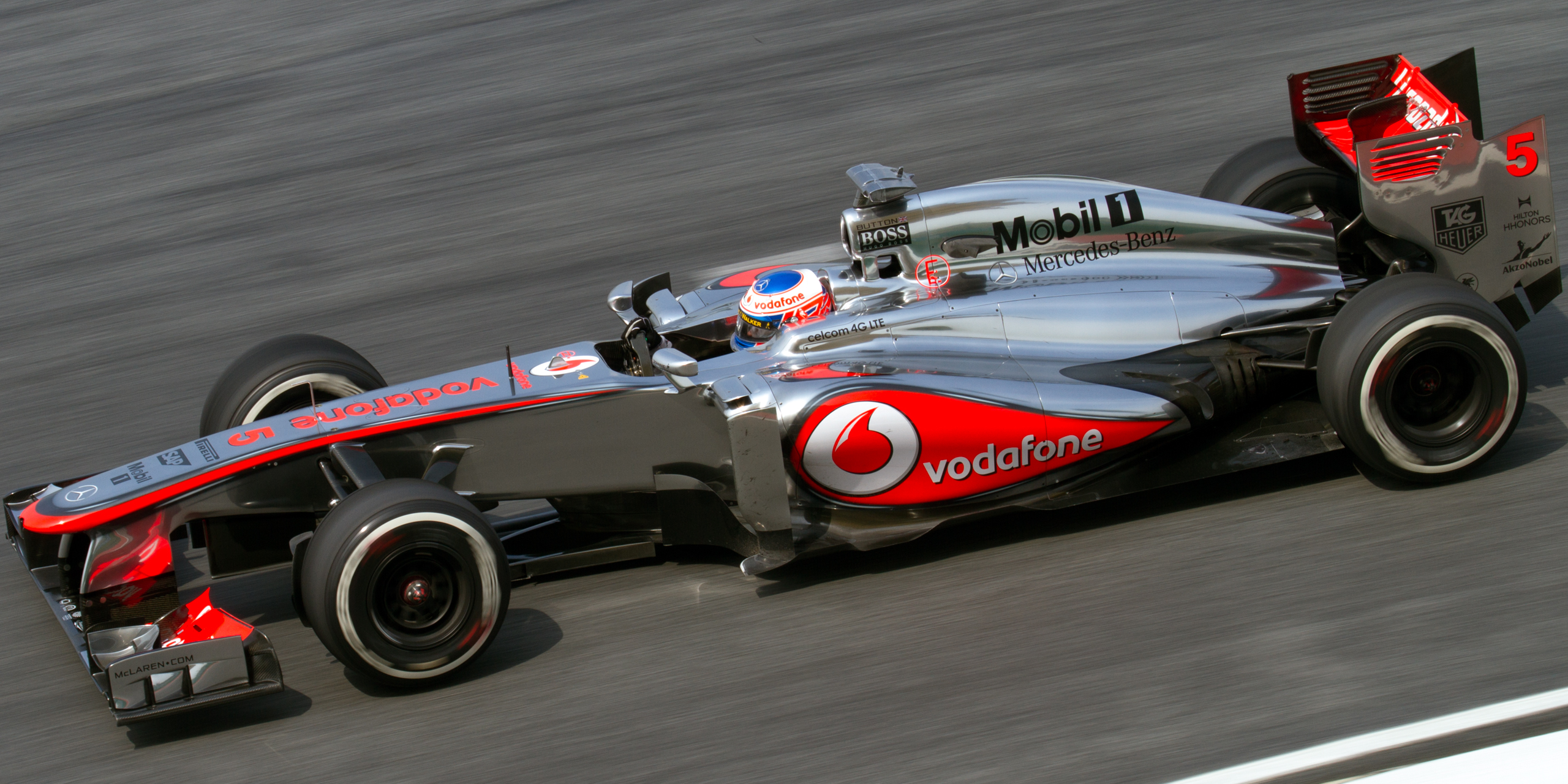
    McLaren have had a very tough start to the season. Their 2013 car is nowhere near their 2012 contender, the MP4-27. With a whole new front suspension setup, McLaren have had their fair share of hardship this season.

    At the front of the car, McLaren have kept most of the design of their front wing from the 2012 car. While other teams are are sporting 5 to 7 tiered wings, the front wing on the McLaren has three tiers. This configuration has hardly been touched throughout the season and they’ve been running the same front wing for the past few races.

    McLaren_MP4-28_VortexGenAround the side of the car, they’ve ditched the horizontal side pod airflow conditioners at the top of the side pods for curved vertical vortex generators from the Spanish Grand Prix with the Red Bull type “D” wing to condition the flow around the side of the car.

    Towards the rear of the car, they’ve tightened up the bodywork in the coke bottle region. They’ve added a vertical slot on the rear wing endplate to minimise tyre squirt.

    With McLaren now concentrating on next season’s car, it is unlikely that they will make many further updates to the current car. We should see development parts for the 2014 car surface during free practice in the last few races.

    Lotus F1 team

    Lotus kicked off their 2013 campaign very well with a victory in the F1 season opener in Australia and Kimi Riakkonen has also consistently scored points for the Enstone based team.

    LotusE21FrontWingLotus is running a 4 tiered front wing with a split vertical element. The split element helps to direct the airflow whenever the car changes direction. They’ve also added a curved horizontal vane on the front wing endplate to help create a vortex of air around the side of the car.

    In a few races this season, they’ve run a bulge on the underside of the nosecone, which helps the airflow along the underside of the car.

    Lotus are also running a similar cross-under tunnel to Red Bull, where the air from the outer edge of the side pods is directed to the center of the car to exit at the diffuser.

    LotusE21DRDThe one big F1 technical development which Lotus were testing throughout the second half of the 2012 season and again at the British and German Grands Prix is their passive DRS or DRD.

    The device works by receiving high speed air from intakes around the air box above the driver’s head. The air then travels down the back of the car and exits from a periscope type outlet just below the rear wing, which then stalls the rear wing at high speed. This reduces the rear wing’s effect and it gives the car a higher speed.

    The trick to this device lies in when the wing stalls. You don’t want it to stall half-way through a high speed corner. Nor do you want to it not to stall down a straight where DRS is not active. It’s quite tricky to get it right but it looks as if Lotus have found a way around this problem. They’ve added a bleed pipe that exits just above the monkey seat. The reason that this is legal is that it requires no input from the driver to activate. It uses the speed of the air coming into the airbox to stall the wing.

    Force India

    Force India have been the strongest of the mid-field teams so far this season. They’re currently even ahead of McLaren in the Constructors’ ForceIndia_FWing_GuideStrakesChampionship.

    As far as their F1 technical upgrades go, Force India have a 4 tiered front wing with the same vertical guide vanes on the main plane of the wing that we can see on the Red Bull.

    These guide vanes work in conjunction with the guide vanes on the back of the wing to guide the air to the edge of the wing for better vortex generation.

    On the underside of the nose cone, they have followed the top teams in splitting the turning vanes. The split in the turning vanes helps to keep the airflow under the car a bit more constant when the car changes direction.

    And around the back of the car, they too, have a slot in the end plate of the rear wing that helps to minimise the tyre squirt.


    And that’s it for part two of our F1 technical Round Up. In part three we’ll look at the Sauber, Toro Rosso, Williams, Caterham and Marussia F1 teams.

  • 2013 Formula 1 Mid Season F1 Technical Round Up – Part 1

    2013 Formula 1 Mid Season F1 Technical Round Up – Part 1

    With the 2013 Formula 1 season already halfway through, we thought we’d give you a little technical round up of some of the major changes the teams have made to their cars. There were some drastic changes and some not so drastic. A big complication for the teams has been the tyres deforming under load and changing the aerodynamic properties of the tyre and indirectly, the car. Teams have had to become rather creative in their efforts to minimise the effects of the deforming tyres.

    Red Bull

    Red Bull Racing front wing for the Canadian Grand PrixRed Bull have made significant changes to their front wing.

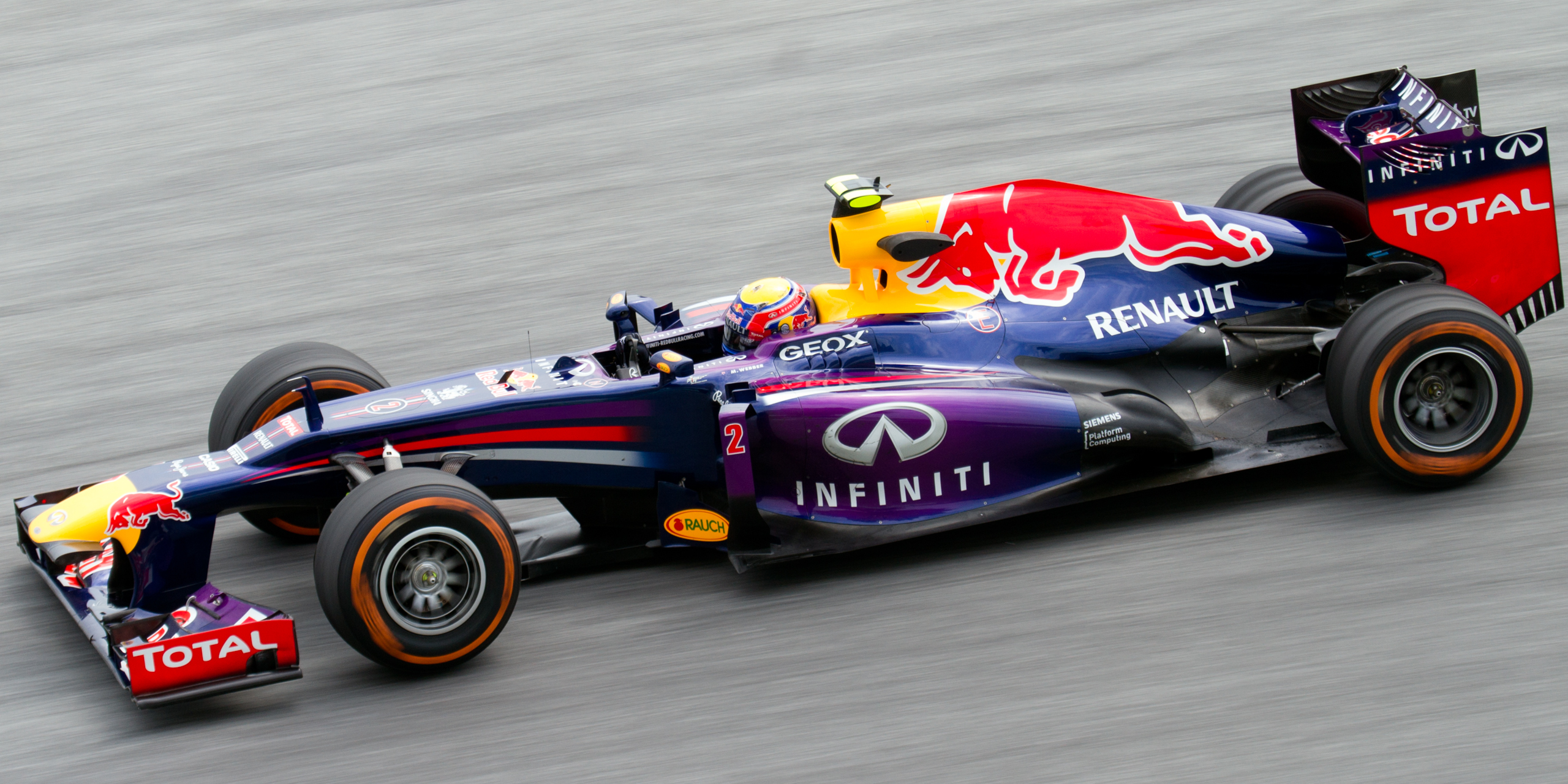
    They now have a 7 tiered front wing with  the biggest change being  the addition of vertical vortex generators at the bottom of the wing (bottom tier). These vortex generators serve two functions. Firstly, they help direct airflow more efficiently over the top of the first tier and below the bottom of the second tier. It also allows them to run the wing at a greater angle of attack without stalling it to some extent. The second function is that it also prevents rubber marbles from being lodged between the elements which can affect the efficiency of the wing.

    The nose of the RB9 has also undergone some changes. The “hammer head” nose has been dropped and the FOM cameras are now being placed further back along the nose of the car.

    RBR_RearFloorAt the rear of the car, just in front of the tyre, Red Bull have added three slots in the floor along with a second vertical vane. The slots in the floor help to minimise the tyre squirt, which affects the efficiency of the diffusers. The extra vertical vane helps to better channel the exhaust gasses towards the rear diffuser. The rear wing features the same vertical slot on the endplate as seen on the McLaren, Marussia and Force India. This also helps to minimise the effect of the tyre squirt.

    Tyre squirt is the turbulent air around the tyre that is generated by the spinning tyre while the car is moving forward.

    Ferrari

    Starting at the front with Ferrari, they’ve added an additional slot on the outer section of the front wing endplate. Unlike Red Bull, their front wing has only 6 tiers.

    FerrariCanadaFrontWing2

    The front wing pillars have changed from their launch spec. It now features a straighter design, instead of the previous stepped configuration.

    There was also a different low down force configuration front wing which was used at the Canadian Grand Prix. It is very likely that we’ll see this wing again at the Italian Grand Prix.

    The new side pod airflow conditioners that run across the top of the side pod, which we’ve seen at the Spanish Grand Prix, have been dropped for the more conventional design the car had on when it was launched. They’ve never reverted back to the new design since.Ferrari_AirflowConditioner_Spains

    There’s also been an addition of another horizontal vortex generator just ahead of the wing mirror. This improves the airflow around the side of the car and over the side pod to assist the coanda exhausts.

    Behind the side pods, but just ahead of the exhaust, Ferrari have introduced a series of cooling ducts. These ducts help with the cooling, but also aid in re-attaching the airflow around the bottom of the car.


    Mercedes

    The Brackley based Mercedes F1 team have given us the impression that they’ve been working much harder than all the other teams, especially with their very high tyre degradation problems. They’ve introduced lots of changes around the car in order to find the balance between their qualifying pace and their race pace.

    Starting with the front wing, the most noticeable change is that they now have a 5 tiered wing. This was done by adding an additional slot to the main plane and creating and extra upper flap.

    FrontWing SideThe vertical element has also been changed by adding a turning vane to the leading edge. The front wing pillars have a similar took to the Ferrari solution and extend from the nose of the car downward to the wing.

    Under the nose cone, Mercedes have been running slotted turning vanes. The slots allow for improved airflow around fast corners.

    Mercedes F1

    Under the wing mirrors they’ve replaced the three horizontal vortex generators with

    The floor in front of the rear wheels features one slot, as opposed to the three slots that Red Bull are running. There is also a longer strake running perpendicular to the tyre to better manage the exhaust gas flow to the diffuser.one large one to better control the airflow over the side pods.


  • New side impact system for F1 in 2014

    New side impact system for F1 in 2014

    The FIA Institute has been working with Formula One teams to develop a new side impact system that will be on all cars in 2014.

    One of the biggest safety developments for F1 in recent years is underway and will feature on all cars next season.

    This is the result of a year-long collaboration between the FIA Institute and F1 teams where they have been developing a side impact system that works effectively, regardless of the angle of impact.

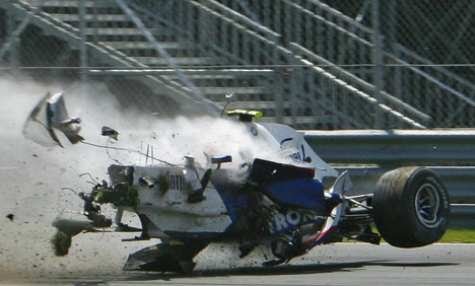
    The FIA Institute’s research consultant Andy Mellor, who headed up the project, says, “We went back to basics to examine what a side impact structure really needs to do in different types of accident. We used Robert Kubica’s crash in Montreal as a specific reference point since that was a major impact at an acute angle.”

    At the moment, crushable tube structures attached to the side of the chassis are deployed by the current side impact system. This has proven to be very effective during normal impacts but they can break off during side impacts due to extremely high tangential forces that are generated during the first few milliseconds of an impact.

    Mellor approached Formula One teams to help develop a better side impact system that would solve the problem and Marussia, McLaren, Mercedes and Red Bull Racing stepped forward to assist.

    Two options were investigated: optimised carbon tubes and crushable carbon sandwich panels. Testing concluded that the carbon tubes had far more potential to provide a lightweight, efficient and robust solution which would be able to manage impact loads effectively no matter the angle of impact.

    The winning solution was based on an initial design by the Marussia F1 team which then underwent detailed optimisation by Red Bull Racing. It is an evolution of the current system, but using high-performance carbon fibre with a very bespoke external and internal geometry and precise layup configuration.

    The new system incorporates a pair of structures fitted to each side of the car that do not shatter on impact. Instead they progressively crush and decelerate the car in a very controlled manner.

    Lewis Hamilton crashThe teams agreed to implement this system for 2014 at the F1 Technical Working Group meeting on 17 May 2013. While there, all technical requirements for mounting the structures to the chassis were defined and it is now up to each team to decide exactly how they want to incorporate it into the design of their cars from 2014 onwards.

    Paul Monaghan, Head of Car Engineering at Red Bull Racing says, “The tube has a common specification but how teams put it into their cars is entirely their business. The static tests that will be undertaken on the monocoque will determine the strength of the mounts and make sure that they are sufficient to support the tube. After that, it’s down to the teams as to how they integrate it and how they design their car around it.”

    The new system will improve safety while at the same time reducing costs for the teams. Monaghan explains, “One of the driving forces for this was to spare teams extra expense in the testing process. Assuming everybody has a monocoque which is strong enough and passes the static tests, then they’ve saved money, as they’re not doing an impact test. It should be a cheaper solution.”

    Established by the FIA and the FIA Foundation in October 2004, the FIA Institute is an international not-for-profit organisation that develops and improves motor sport safety and sustainability. It leads projects that encourage the rapid development of new and improved safety technologies, that facilitate higher standards of education and training, and that raise awareness of safety and sustainability issues.