Tag: f1 weather

  • Weather Preview for the 2016 Formula 1 Brazilian Grand Prix

    Weather Preview for the 2016 Formula 1 Brazilian Grand Prix

    This week the Formula 1 circus is in Sao Paulo, Brazil for the penultimate round of the Formula One World Championship.

    This weekend has the makings to be the crowning of a new world champion should Mercedes’ Nico Rosberg take victory in Sunday’s race. If his team mate, Lewis Hamilton, were to win and Rosberg placed 2nd, the title battle would move to the final race of the season in Abu Dhabi where Rosberg would just need a 2nd place finish to be crowned the 2016 Formula 1 World Champion.

    Further down the paddock the battle between 2nd place in the constructors championship seems to be a done deal with Red Bull ahead of Ferrari with just two races to go.

    The battle between Force India and Williams will step up a notch this weekend as they battle for 4th place in the constructors championship. The characteristics of the Interlagos circuit will suit the Force India better than the Williams cars with it’s medium to slow corners.

    The weather in Sao Paulo can be unpredictable at times. The sudden changes make for great racing. Thunder showers are expected throughout the weekend. Temperatures on Friday will remain in the low 30s. Saturday and Sunday will be much cooler where the temperatures will hover in the low 20s with some cloud and thunder showers expected.

  • 2016 Mexican Grand Prix: Weather Preview

    2016 Mexican Grand Prix: Weather Preview

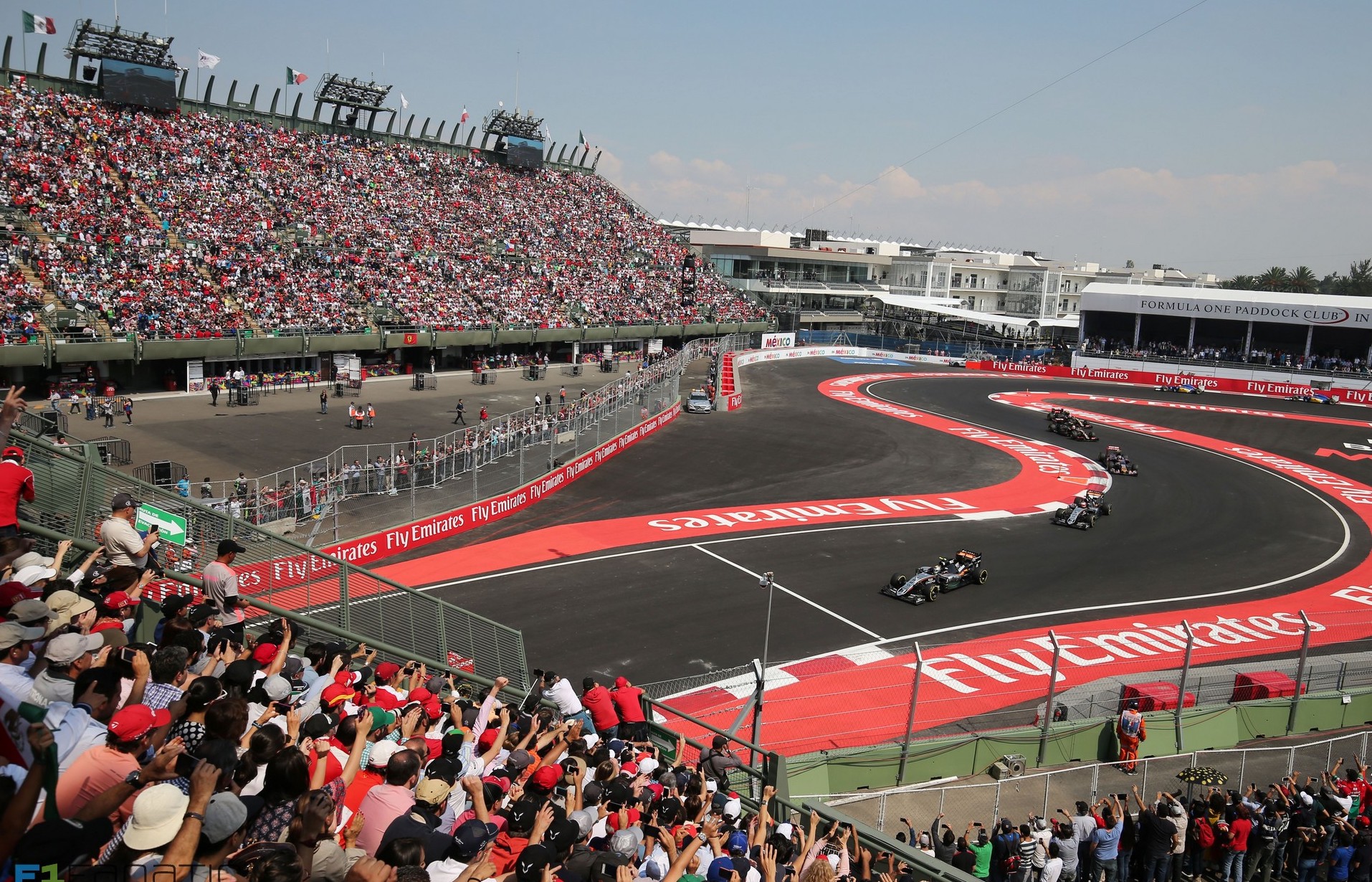
    The Formula 1 season is almost at a close. We’re in the final three races of the season with Round 19 and the Mexican Grand Prix the first up of the three.

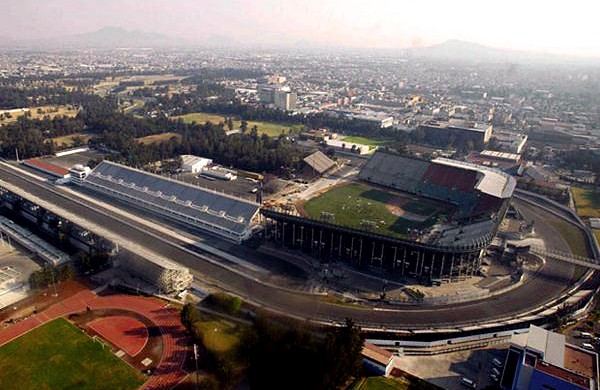
    The Autodromo Hermanos Rodriguez will host the Mexican Grand Prix in as many years. The 4.304km, 17 corner circuit was remodeled by Formula 1’s preferred track designer, Herman Tilke.

    The major point of the circuit is the 1.2km pit straight, where last year cars were reaching speeds over 350km/h. It kept most of the original layout. Turns 7-13 have been modified and are more angular. The old high speed, banked Peraltada has been modified and the circuit now cuts into a stadium section which then joins the previous Peraltada corner which has now been named after 1991 Mexican Grand Prix winner Nigel Mansell.

    The high speed nature of the track usually means that teams run lower than usual down-force on their cars. However, this race is the highest race in terms of elevation on the F1 calendar which means the thinner air up at altitude means that teams can run a bit more down-force without impacting the top end speed.

    This time last year Mercedes’ Lewis Hamilton had already wrapped up the world championship. This year the title is still to play for with just 26 points separating Nico Rosberg from his team-mate Hamilton. Rosberg could potentially win the championship in Mexico by winning the race, but it would need Hamilton not to finish in the points.

    The weather this year is slightly cooler with the northern hemisphere well into Autumn. Temperatures throughout the weekend will remain in the low 20s which means the cooler track temperatures should help with tyre degradation. Some rain is in the forecast but does not look like it will threaten the race weekend.


    screen-shot-2016-10-27-at-20-58-03


  • Weather Report for the 2016 Formula 1 Japanese Grand Prix

    Weather Report for the 2016 Formula 1 Japanese Grand Prix

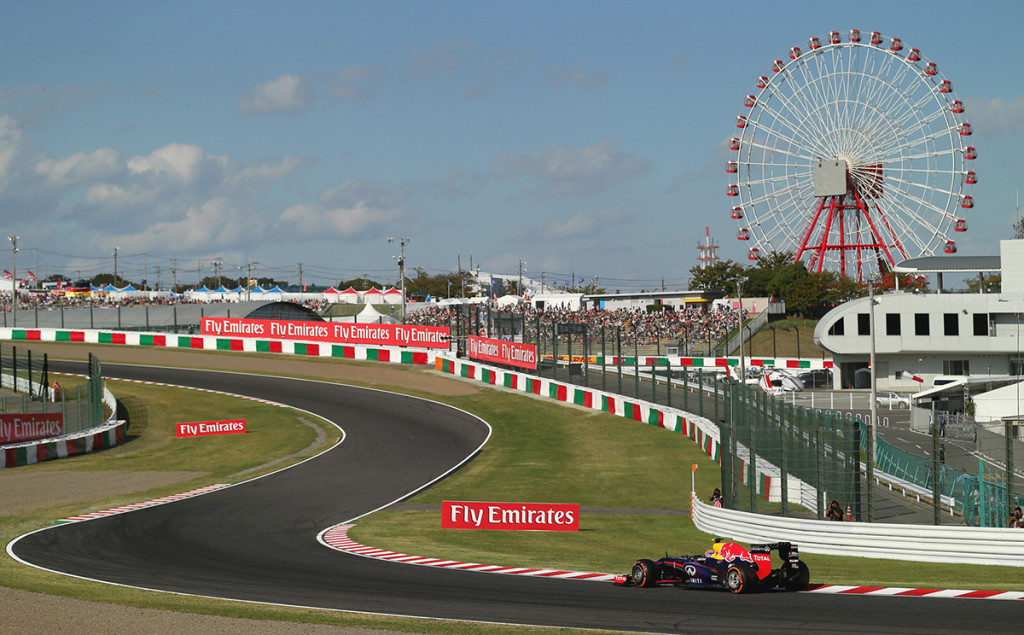
    Just as the Formula 1 circuit started the pack up for the Japanese Grand Prix on Sunday afternoon in Malaysia typhoon Chaba was set to make landfall in the week leading up to the Japanese Grand Prix in Suzuka.

    The worst of the storm seems to have passed but rain is still forecast for the race weekend.

    Friday is expected to be a dry day for FP1 and FP2. Saturday is expected to be dry with rain forecast for Qualifying. Some showers are expected on Sunday before the race. It is expected to be dry for the start of the race.

    japan-weather

    You can keep an eye on the live forecast throughout the weekend right here


  • Weather Preview for the 2016 Formula 1 Malaysian Grand Prix

    Weather Preview for the 2016 Formula 1 Malaysian Grand Prix

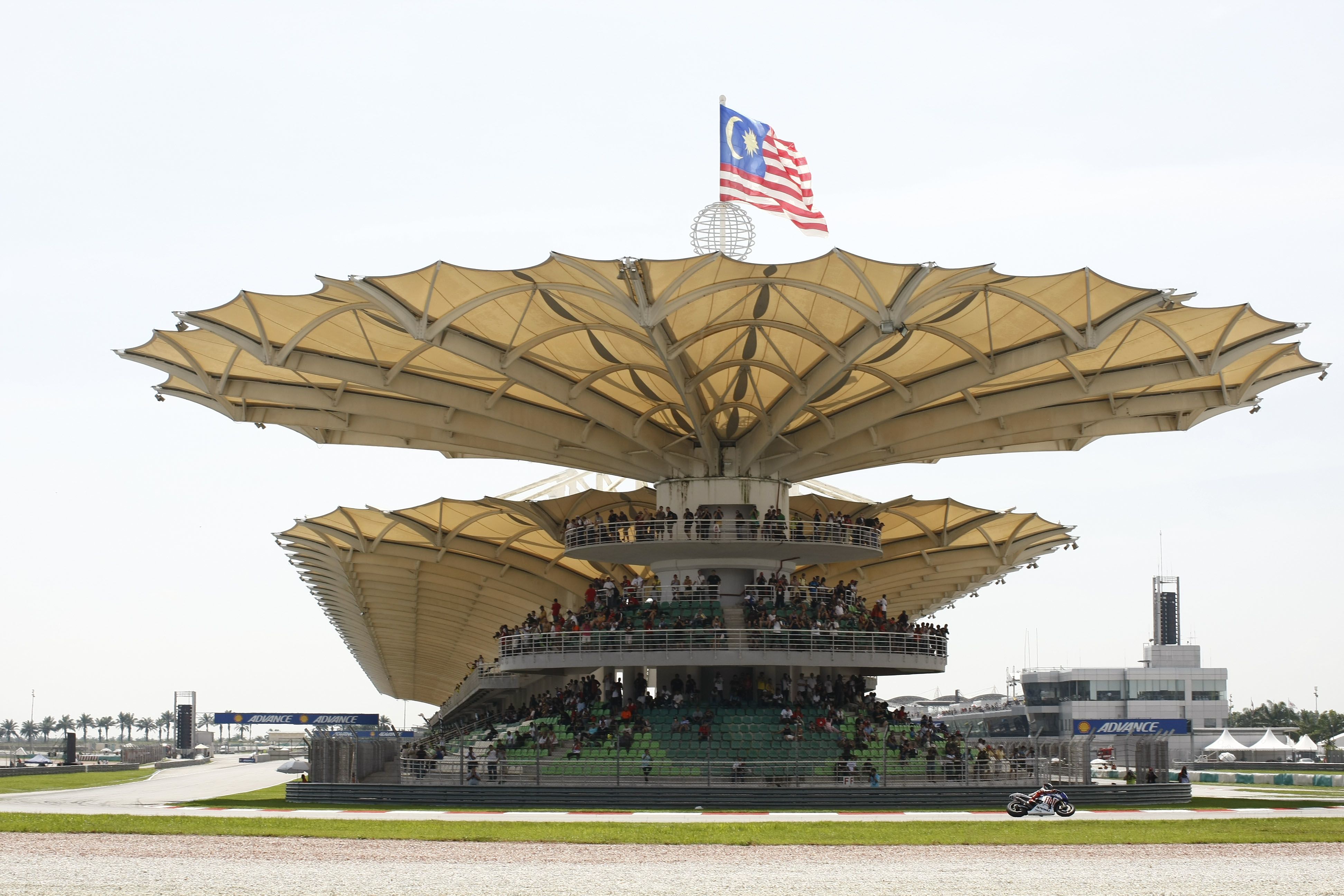
    Formula One is just getting settled in for the second stint at the fly away races for the 2016 and Round 16 takes place at the Sepang International Circuit in Malaysia.

    The Malaysian Grand Prix has been on the F1 calendar since 1999 and the Sepang International Circuit has played host ever since. The 15 corner, 5.543 km circuit was designed by renowned circuit designer Herman Tilke and it is one of the most technical circuits on the F1 calendar. The 15 corners test every aspect of an F1 car from mechanical grip for the low speed sections, to aerodynamic grip for the sweeping high speed sections.

    The circuit has been resurfaced ahead of the race this year. The very bumpy braking zones have been all but eliminated with the new surface. Degradation is also expected to be lower than previous years as a new soother surface gets embedded during the course of the weekend. A few corners such as the final T15 has been re-profiled by raising the inside of the corner by 1 metre. Turns 2, 3, 4, 5, 6, 9, 12 and 13 have also had their gradients altered which changes the line through these corners slightly. Most of the changes were made to improve the drainage and drivability through the corners.

    As is expected in Malaysia the weather plays a big role throughout the weekend. Rubber that gets laid down in the morning sessions tends to get washed away by the afternoon thunderstorms. This weekend will be no different. Thunderstorms are forecast for the afternoons from Friday through to Sunday while temperatures will remain in the low 30’s throughout the weekend. The humidity will also remain quite high throughout the weekend.

    malaysia-2016-weather


  • 2016 Formula 1 Italian Grand Prix Weather Preview

    2016 Formula 1 Italian Grand Prix Weather Preview

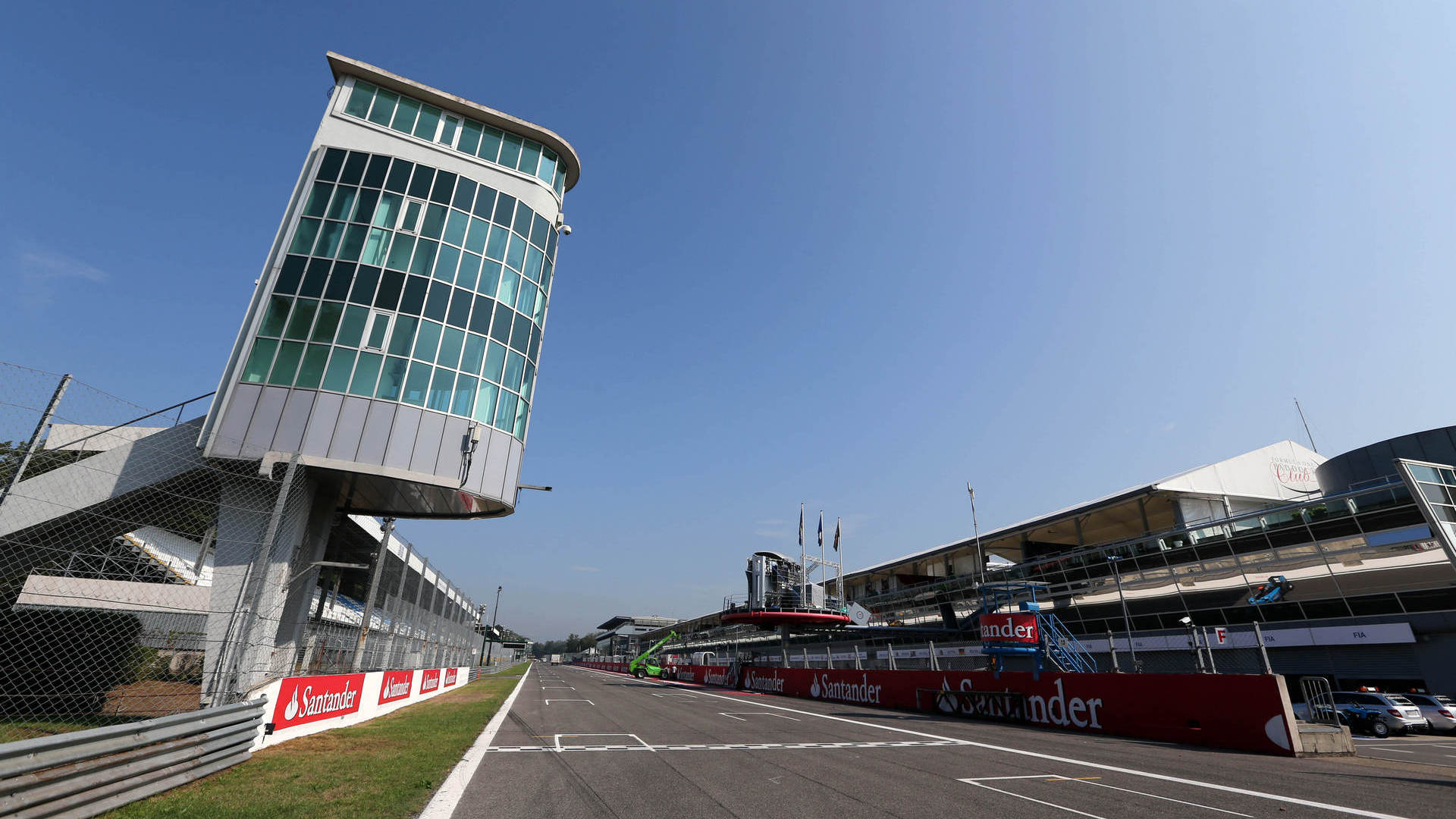
    Formula 1 returns to Monza – the temple of speed – for round 14 of the Formula 1 World Championship and the Italian Grand Prix.

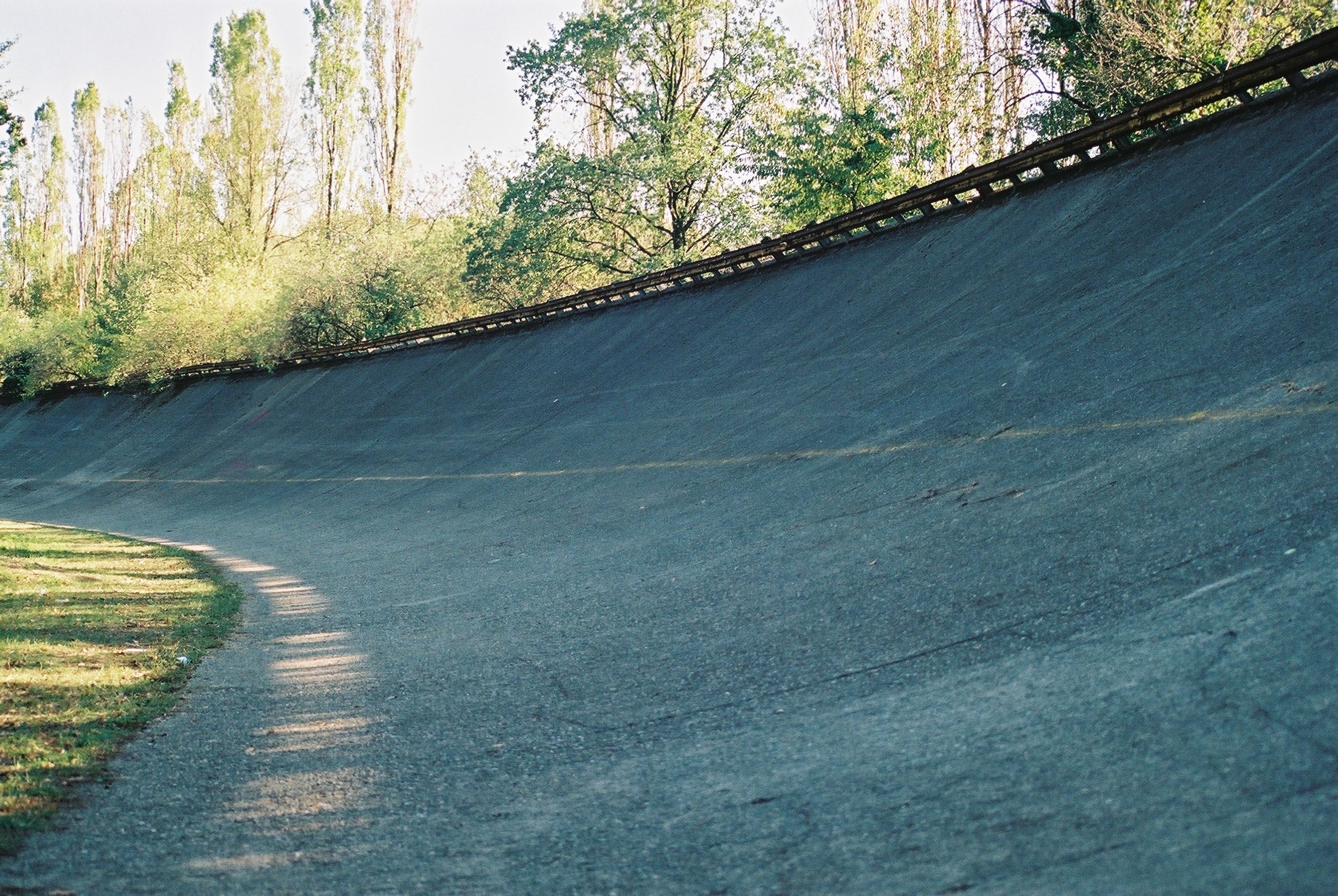
    Built in 1922, the Autodromo Nazionale Monza became the 3rd purpose built track in the world. The initial layout which combined the current F1 circuit, minus the chicanes, and the the high speed loop was 10 km long. There have been numerous modifications and layout changes to the circuit. The current Grand Prix Circuit layout is 5.793 km long with notable corners such as the Curva Grande and the very fast and tricky Parabolica  Turn 11.

    The Belgian Grand Prix showed that Mercedes was able to maintain it’s dominant form this season. Red Bull have emerged as the next challenger to Mercedes with Ferrari close behind. At the end of the Belgian Grand Prix race, Ferrari say that they were much quicker than they showed. The incident at the start between Sebastian Vettel, Kimi Raikkonen and Max Verstappen destroyed any hope of a podium finish for both Ferrari’s.

    Coming into the Italian Grand Prix there is huge pressure and expectation on Ferrari. This is a home Grand Prix and the Tifosi at Monza can become very scathing if Ferrari fail to perform. They’ll be pulling out all the stops to try and be close to Mercedes this weekend.

    Monza is also one of the expensive races for teams in the paddock as they have to develop “Monza specific parts” to fit the characteristics of the high speed track. Teams usually run very lean rear wings with the emphasis on top end speed on the long straights.

    A lovely autumn weekend in Monza can be expected this weekend. Temperatures will remain in the low 30s with the hot weather set to continue throughout the weekend.

    Italy 2016_Weather


  • Weather report for the 2015 Formula 1 Brazilian Grand Prix

    Weather report for the 2015 Formula 1 Brazilian Grand Prix

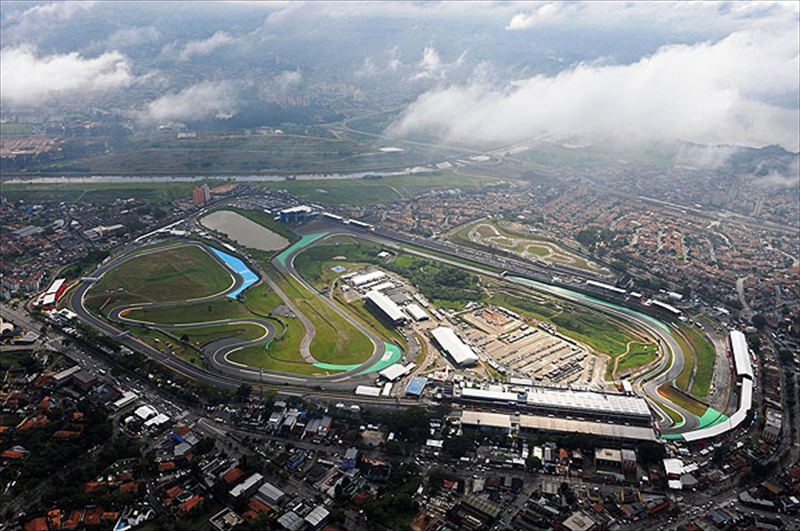
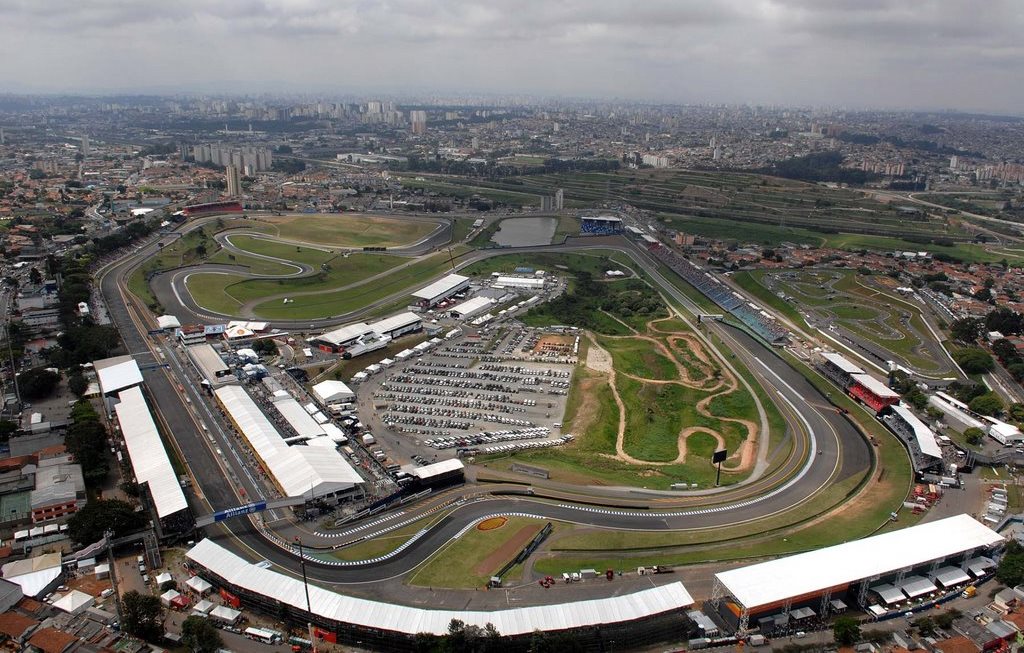
    The Autodromo Jose Carlos Pace formerly known as Interlagos has hosted the Brazilian Grand Prix since 1990 and has, marked the end of the Formula 1 season. For the second year now, the circuit hosts the penultimate race of the season and round 18 of the Formula 1 World Championship.

    At the end of last year, the circuit underwent a major upgrade to the pit complex and so the track surface. The upgrades were scheduled to be complete before the teams reach Brazil this year. Some of the upgrade was still going on as the teams started arriving but the Grand Prix will go ahead as planned.

    On the tyre front Formula 1 tyre supplier, Pirelli, are bringing the Yellow soft and White medium compound tyres to Brazil this year. This is the same compound that was chosen last year. They expect the surface to be vastly different to the previous races but they have stuck with the safest tyre option available to them.

    With the slow middle sector mechanical grip will be required to power out of the slow corners while in the first and 3rd sectors the cars will depend on aerodynamic grip through the medium speed corners. A good balance between mechanical and aerodynamic grip will be required at the Autodromo Jose Carlos Pace where teams tend to run quite high down force levels.

    Initial forecasts for the weekend were very good forecasting sunny weather with a few thundershowers. The forecast at the time of writing had changed slightly with more thundershowers forecast throughout the weekend with temperatures still quite high.

    Forecasts suggest that the practice sessions, qualifying and the race fall just outside of the rain window. Temperatures will range from the mid 20s to low 30s with Friday forecast to be the hottest. Apart from the spots of rain that is forecast, expect most of the weekend to be sunny and hot.

    Brazil 2015_Weather


  • Weather report for the 2015 Formula 1 Mexican Grand Prix

    Weather report for the 2015 Formula 1 Mexican Grand Prix

    Formula 1 returns to the Autodromo Hermanos Rosdriguez after a 23 year hiatus for round 17 of the Formula 1 World Championship.

    The circuit is fairly technical with a mix of slow, fast and medium speed corners. It has two long straights where cars are expected to reach 330km/h. At the end of the two respective straights are heavy braking events that will test the brakes and tyres. The tyres will be tested further through sector 2 through the esses and through the technical stadium section in the final sector, which has a similar feel to the stadium section in Hockenheim. The final corner used to be a long, full throttle, slightly banked right hander. It has now been modified to keep half of the corner, with the other half passing through the stadium section which should make for some spectacular viewing for the fans.

    Without any real track data to work with, Pirelli have relied heavily on simulations and data collected at the track. They have nominated the the white medium(prime) and yellow soft (options) compound tyre for the race weekend. This is the safest tyre choice Pirelli could make considering the characteristics of the track. Pirelli are hoping for a two stop race with a projected gap of 1.3s a lap between the compounds.

    With Hurricane Patricia battering the Mexican West Coast last week the weather is expected to clear up for the race weekend with temperatures quite mild the entire weekend. Afternoon thunder showers are forecast for all three days with the mornings clear and sunny. Temperatures will remain in the low 20s with occasional could cover. We can expect it to remain dry for all the sessions but with the odd thunder storm, we could be surprised.

    As always we have our weekend snap shot and out live forecast

    Mexico 2015_Weather


  • Weather Report for the 2015 Formula 1 Russian Grand Prix

    Weather Report for the 2015 Formula 1 Russian Grand Prix

    The Sochi Autodrom situated within the Sochi Olympic park plays host to the Russian Grand Prix and round 15 of the Formula 1 World Championship.

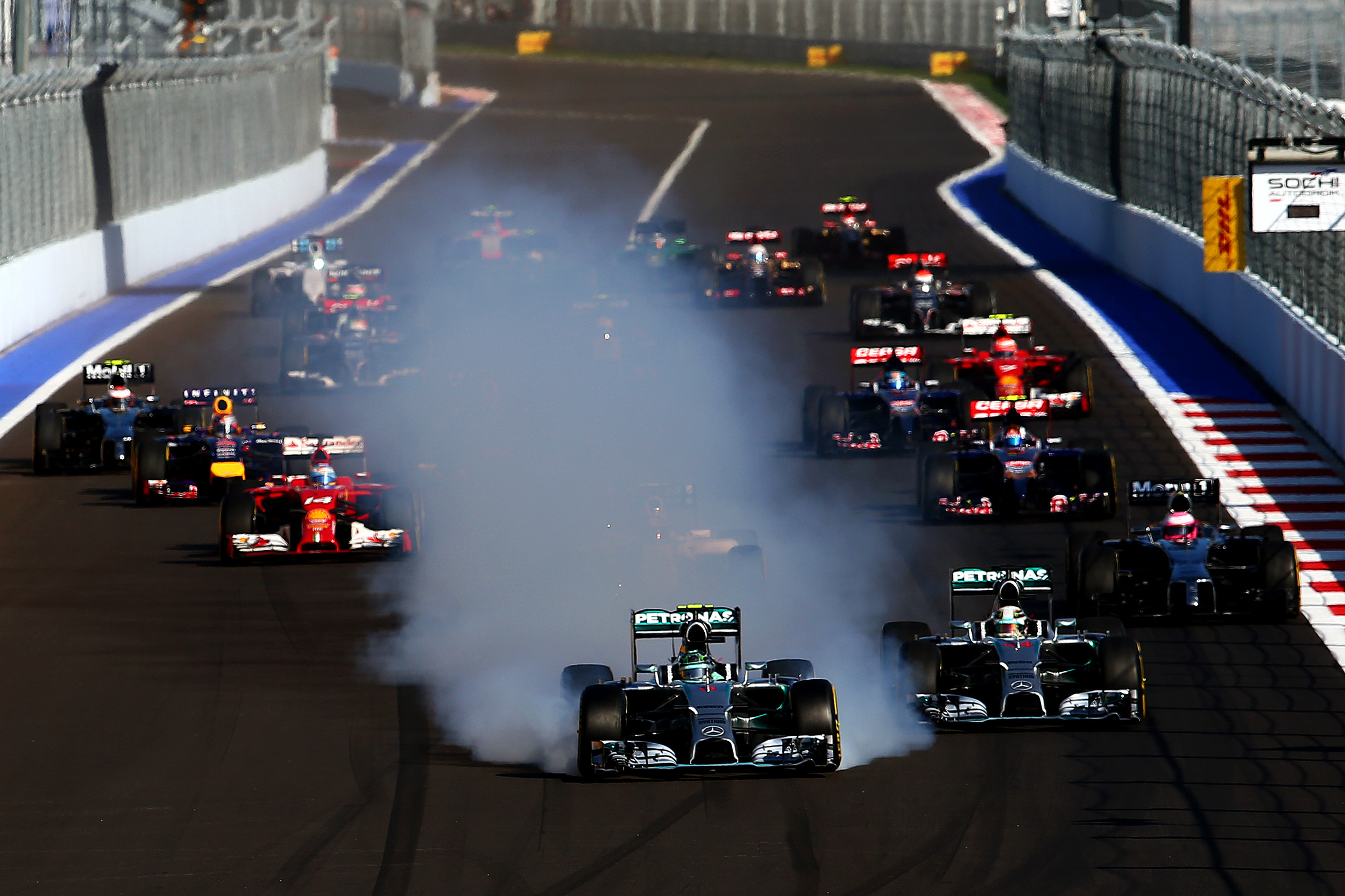
    The track which was built within the Olympic Park is 5.848km long which makes it the third longest on the F1 calendar. The circuit has a good mix of corners which should put the tyres through their paces. With the track surface last year, teams could stop once in the race as the degradation was very low. Mercedes’ Nico Rosberg managed 52 laps on his set of medium compound tyres after he stopped on lap 1 after locking up heavily into Turn 2.

    Pirelli say the track surface is much the same as it was last year despite a very harsh winter. This could be one of the reasons Pirelli have decided to go one step softer on the tyres bringing the super soft(option) and soft(prime) compound tyres. This is to also increase the number of pit stops in the race.

    The tyres will have to work particularly hard in the final sector where there are a series of 90-degree turns which require mechanical grip from the tyres.

    The weather for Sochi this weekend is clear with some scattered clouds around. The crowd can look forward to a perfect autumn afternoon during qualifying and the race. It will be partly cloudy on Friday. The weather will clear up for Saturday and Sunday. We can expect temperatures between 17-19 degrees Celsius.

    Russia 2015_weather


  • Weather Report for the 2015 Formula 1 Singapore Airlines Singapore Grand Prix

    Weather Report for the 2015 Formula 1 Singapore Airlines Singapore Grand Prix

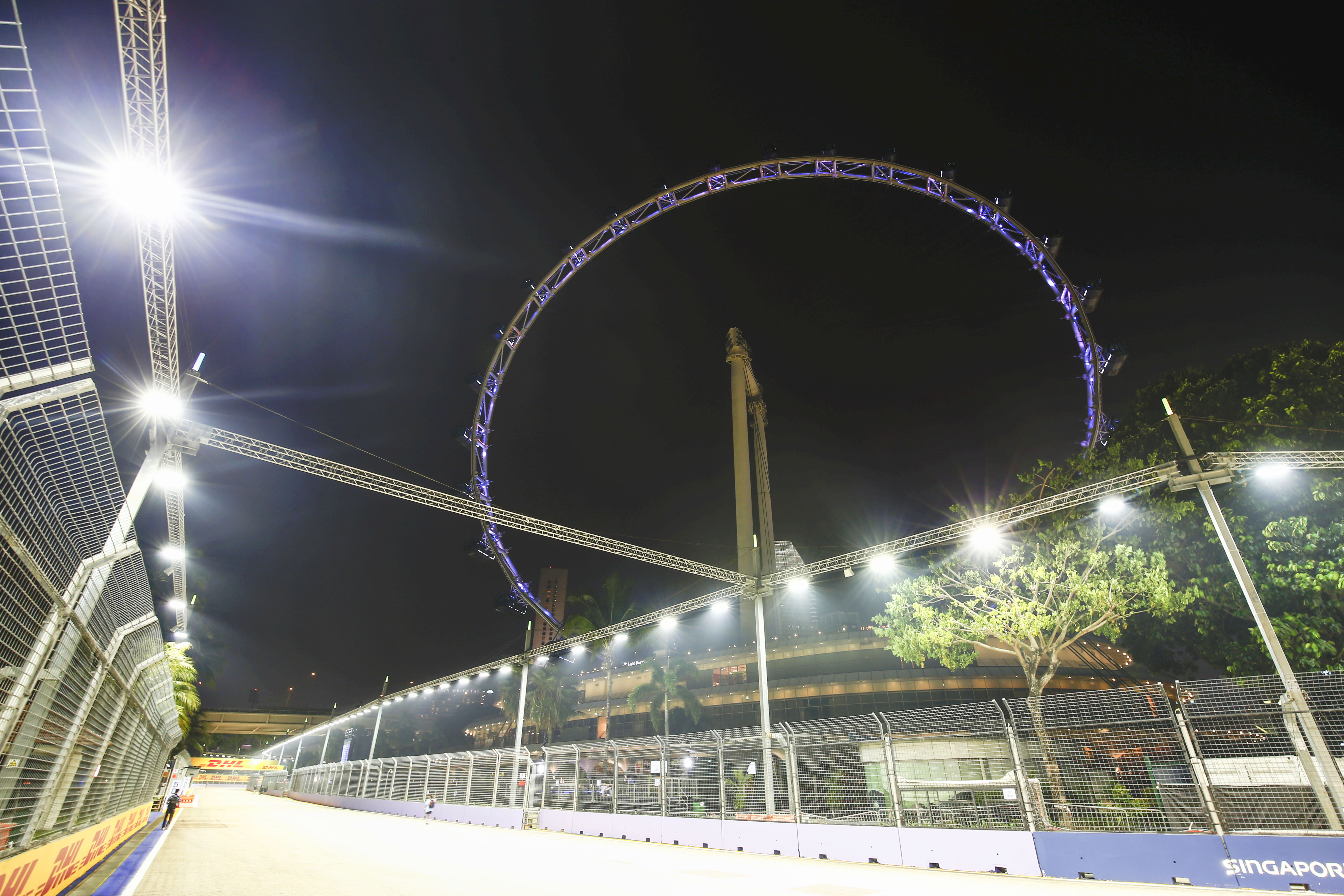
    We are in Singapore for Round 13 of the Formula 1 World Championship which takes place at the Marina Bay Street Circuit.

    The Marina Bay Circuit is one of the most intense tracks on the Formula 1 calendar and not only is it a mental challenge for the drivers but the physical side of it comes into play much more in Singapore. The humidity that hangs in the air makes things rather uncomfortable for a driver in the cockpit. Couple that with a long race that lasts almost two hours and you have one of the toughest races on the calendar.

    The Marina Bay Street circuit with its 23 corners is the second slowest track of the season, with the slowest being Monaco. The rear tyres are worked very hard around the street circuit as the cars require the mechanical grip from the tyres for traction out of the slow corners. Drivers will also depend heavily for front end grip under braking to get the car pointed in the right direction.

    Pirelli have brought the red super soft(option) and yellow soft(prime) tyres to the Singapore Grand Prix. The high working range soft tyre will suit the higher track temperatures. Pirelli say that a three stop strategy is most likely and the performance gap expected between the two compounds is between 1.8s and 2.2s.

    The tropical climate of Singapore brings in thunder showers during the afternoons with high humidity throughout the day. Thundershowers are expected each afternoon before the practice and qualifying sessions which will wash the track of any rubber that was laid down. This will present the drivers with a green track almost every session.

    Despite it being a night race, ambient temperatures rage in the mid-to-high twenties. Track temperatures are expected to drop significantly in the evenings.

    All three days are expected to be dry in the evenings with some cloud around on Friday and Sunday. Saturday nigh is expected to be clear. Temperatures for all three nights will hover in the mid-to-high 20’s.

    Much has been said about the haze in Singapore at the beginning of the week. While conditions are expected to improve for the Grand Prix weekend there will be some degree of haze around the city.


    Photo by courtesy Pirelli

  • Weather Report for the 2015 Formula 1 Italian Grand Prix

    Weather Report for the 2015 Formula 1 Italian Grand Prix

    Round 12 of the Formula 1 World Championship and we are at the famed temple of speed for the Italian Grand Prix.

    The famous Autodromo Nazionale Monza has been hosting the Italian Grand Prix since F1 began. There were a few breaks in between but the home if the Italian Grand Prix has always been Monza.

    The Monza circuit is the fastest track on the F1 calendar. Cars spend up to 75% on full throttle per lap. The high speeds require a tremendous amount of stopping power and grip from the brakes and tyres.

    This year Pirelli has decided to go one notch softer with the tyre compound choices. They have brought the yellow soft (option) and white medium (prime) compound tyre to Monza. Pirelli are expecting a high amount of degradation on the tyres so it will be important for the teams to get some good running during practice. Because of the quick nature of the circuit, the cars are setup with very little down force which makes them very skittish at first. With the low down force, the tyres are stressed more than usual during acceleration and cornering which compounds the degradation issue slightly. The delta between the two tyre compounds is expected to be between 0.8s-1.0s. This is a much smaller delta time compared to other races on the calendar.

    The race last year was won with a one stop strategy, but that was also with tyres that were a notch harder than this years selection. It could push drivers into 2-stop territory.

    Weather in Monza tends to be on sunny and clear side this time of the year. The weather is expected to be sunny and clear for Friday’s practice session with temperatures comfortably in the mid 20’s. For Saturday we can expect some rain for Free Practice 3 with the conditions clearing up before Qualifying. Although rain is forecast, we are expecting is to stay away. Temperatures on Saturday will be slightly lower than Friday with a maximum of 23 Degrees Celsius expected. Race day will be fine and dry with temperatures expected to peak in the mid 20’s again. No rain is forecast for Sunday.

    As always we have a live forecast which you can check on at anytime during the day.

    Italy 2015_Weather